





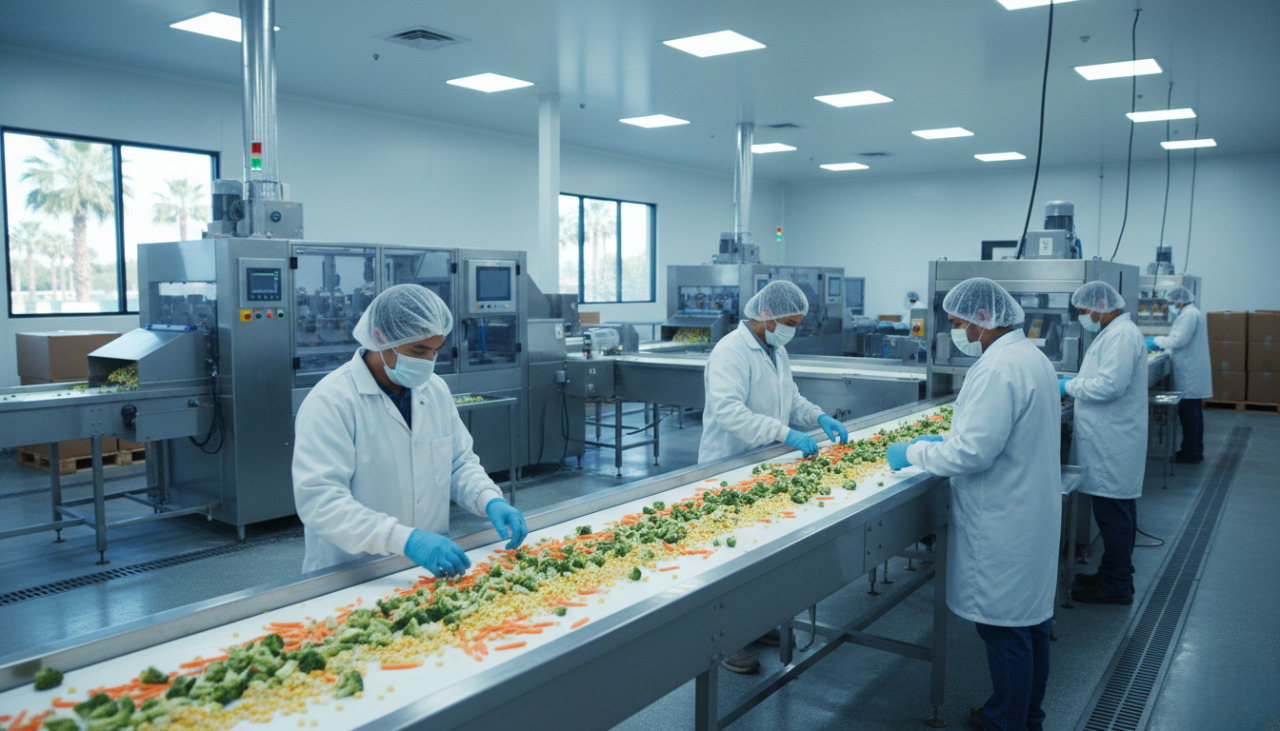
Southern California consumers expect convenience without compromise. Whether it’s a busy family in Chula Vista, a restaurant in downtown San Diego, or a specialty grocer in Carlsbad, frozen meals and ingredients must deliver the same flavor and texture customers would expect from freshly prepared food. Behind that reliability is a highly coordinated process designed to protect quality at every stage.
From ingredient sourcing to rapid freezing technology and strict quality control systems, today’s frozen food producers operate with precision. Here’s how consistent taste and dependable quality are maintained across the region.
Sourcing High-Quality Ingredients from Trusted Suppliers
Quality begins long before freezing ever happens. Manufacturers serving San Diego and Southern California prioritize partnerships with reputable growers, fisheries, ranchers, and specialty ingredient suppliers. Fresh vegetables may come from California’s Central Valley. Seafood may be sourced from certified fisheries along the Pacific Coast. Proteins often arrive from audited farms that meet strict safety and animal welfare standards.
Ingredient specifications are clearly defined before purchasing begins. These specifications may include:
-
Size, color, and maturity requirements for produce
-
Fat content and trimming standards for meats
-
Moisture levels and flavor profiles for prepared components
-
Strict microbiological testing benchmarks
Upon arrival at the facility, incoming ingredients are inspected for freshness, temperature compliance, and visual quality. Many operations use digital tracking systems to log lot numbers and supplier information, ensuring full traceability.
This careful screening ensures that only ingredients meeting predefined standards move forward into production.
Rapid Freezing to Lock in Flavor and Texture
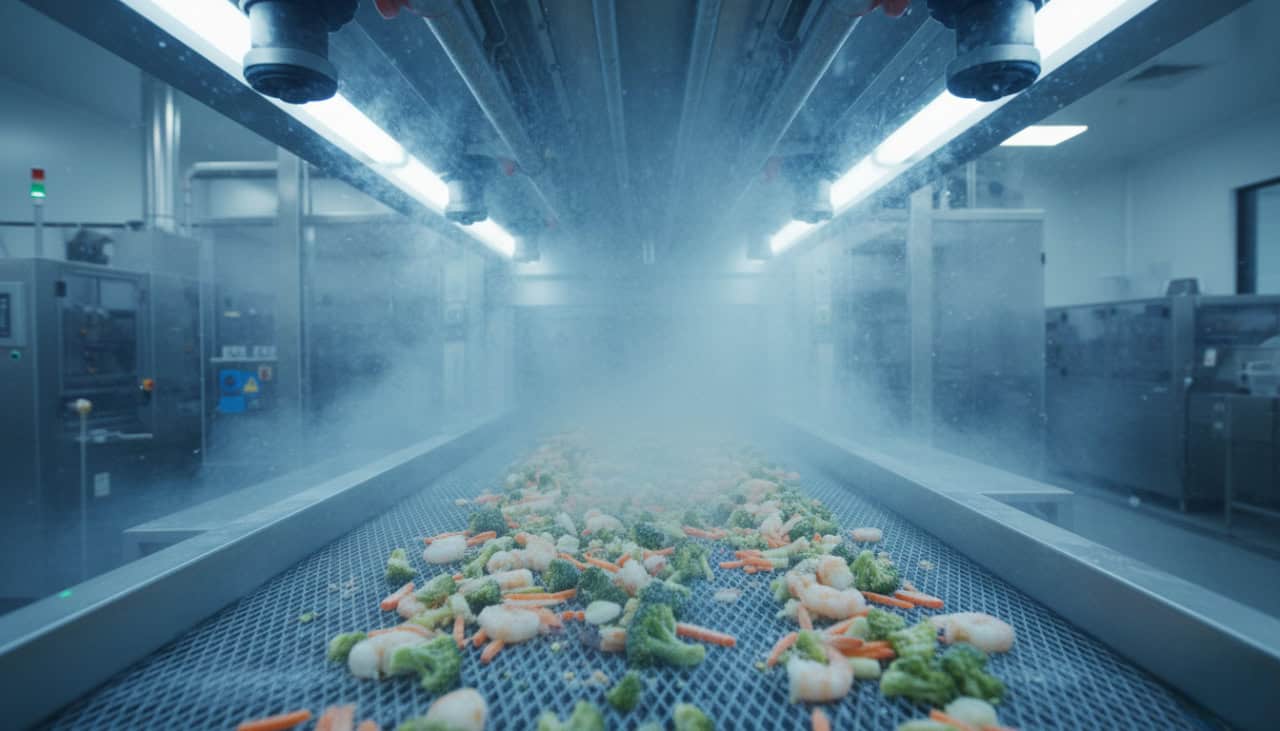
One of the most critical steps in preserving taste is the freezing method itself. Modern facilities often rely on blast-freezing or individually quick-frozen (IQF) technology. These systems rapidly reduce temperature, preventing the formation of large ice crystals inside the food.
Large ice crystals can rupture cell walls, leading to mushy vegetables or dry proteins after thawing. By freezing quickly, texture remains intact, and flavor compounds are preserved.
For example:
-
Vegetables are typically blanched briefly before freezing to preserve color and nutrients.
-
Seafood is frozen within hours of harvest to maintain freshness.
-
Prepared meals are frozen shortly after cooking to capture peak flavor.
This speed is especially important in warm climates like Southern California, where maintaining strict temperature control prevents spoilage and maintains product integrity.
Strict Food Safety and Quality Control Protocols
Food safety is not optional; it is foundational. Facilities follow Hazard Analysis and Critical Control Points (HACCP) plans to identify and manage potential risks at each stage of production. These systems monitor everything from cooking temperatures to metal detection and packaging seals.
Quality assurance teams routinely conduct:
-
Microbiological testing
-
Sensory evaluations (taste, smell, texture)
-
Weight verification
-
Seal integrity checks
-
Allergen control audits
Temperature monitoring systems run continuously in storage areas and distribution trucks. Digital sensors trigger alerts if temperatures drift outside acceptable ranges.
For businesses supplying restaurants and retailers across San Diego County, maintaining compliance with FDA and USDA regulations is essential. Third-party audits often verify that standards are consistently upheld.
These layers of oversight ensure that products reaching local grocery stores or food service providers are both safe and consistently high in quality.
Recipe Development and Flavor Testing
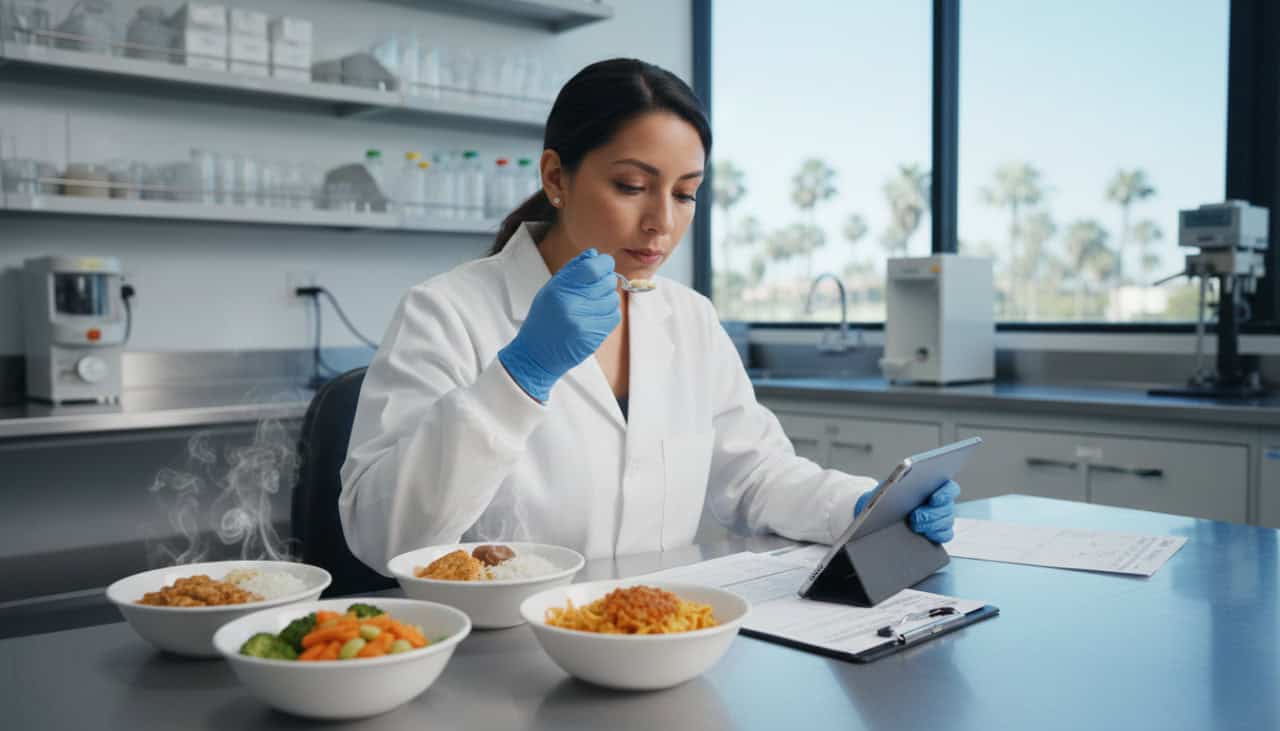
Taste is not accidental. Culinary teams develop recipes with both immediate flavor and frozen stability in mind. Some ingredients behave differently once frozen and reheated, so formulation adjustments are often required.
Developers test:
-
Sauce thickness after reheating
-
Seasoning intensity post-freeze
-
Texture of pasta or grains
-
Moisture retention in proteins
Consumer panels and internal tastings help refine recipes. In Southern California’s diverse market, flavor profiles may reflect regional preferences, including plant-based options, globally inspired dishes, or health-conscious formulations with reduced sodium.
Consistency is achieved by documenting every recipe down to precise measurements and cooking times. Automation and calibrated equipment help replicate results batch after batch.
The goal is simple: when a customer in La Jolla buys a frozen entrée today, and again next month, the experience should feel identical.
Packaging That Protects Freshness
Packaging plays a significant role in preserving quality after freezing. Materials are selected to prevent freezer burn, moisture loss, and oxidation.
Common packaging technologies include:
-
High-barrier films that block oxygen
-
Vacuum sealing to reduce air exposure
-
Modified atmosphere packaging
-
Resealable pouches for convenience
Clear labeling also supports quality by providing storage instructions and cooking guidance. Proper reheating ensures the food performs as intended.
Sustainable packaging is increasingly important in Southern California markets. Many manufacturers now explore recyclable or reduced-plastic options while maintaining protective performance.
Effective packaging ensures that products remain protected throughout distribution to retailers in San Diego, Orange County, and surrounding communities.
Cold Chain Management from Facility to Retailer
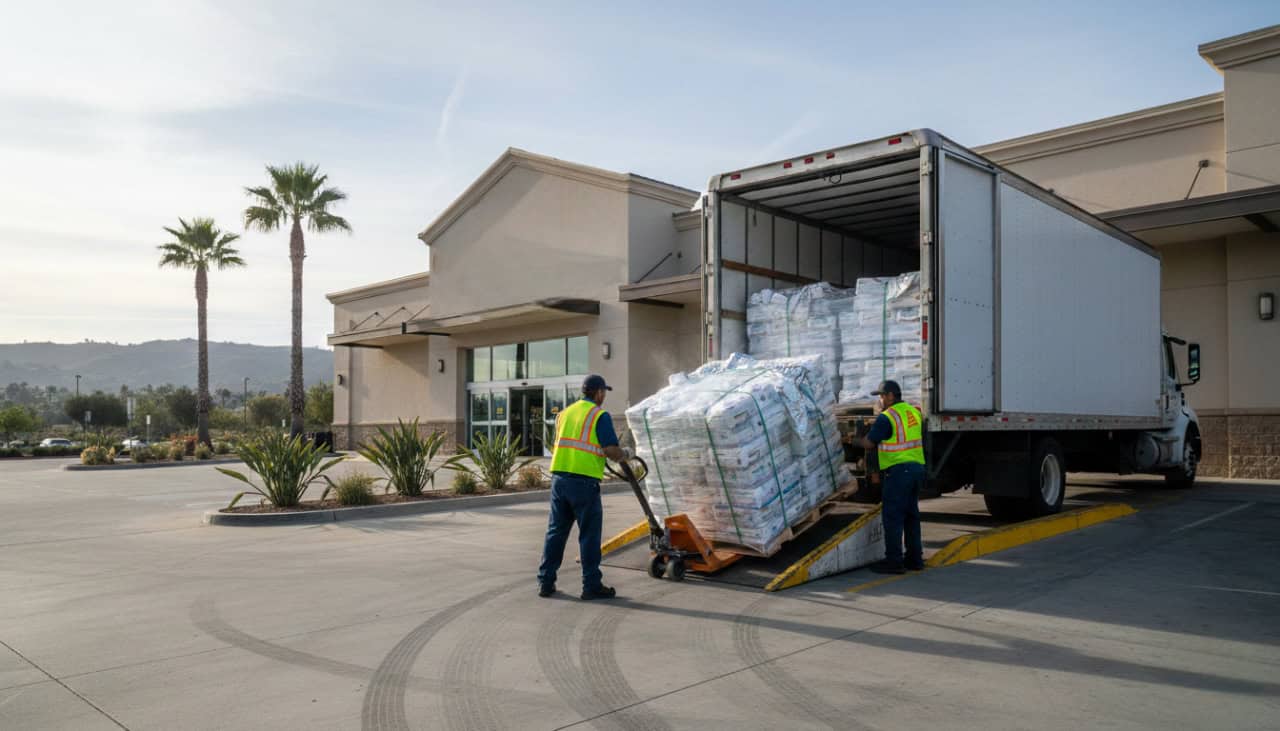
Maintaining quality does not stop once products leave the production floor. The cold chain—continuous refrigeration from the warehouse to the truck to the retailer—is critical.
Distribution centers maintain strict freezer temperatures, typically at 0°F (-18°C) or lower. Transport vehicles are equipped with temperature monitoring systems that log data throughout transit. If a deviation occurs, it can be identified immediately.
Retail freezers also play a role. Proper rotation practices and storage conditions ensure that products remain at optimal temperature until purchased.
For food service clients across Southern California, reliable delivery schedules help maintain inventory flow without compromising frozen storage capacity.
The integrity of this cold chain ensures that what customers taste at home reflects the quality achieved at the manufacturing facility.
Continuous Improvement Through Innovation
Technology continues to refine the production and preservation of frozen foods. Automation reduces human error, while data analytics help identify trends in quality metrics.
Emerging innovations include:
-
Advanced cryogenic freezing
-
Real-time digital quality tracking
-
Predictive maintenance systems for equipment
-
Improved energy-efficient freezing systems
Consumer demand in Southern California also drives innovation. Plant-based frozen meals, organic ingredient sourcing, and high-protein formulations are increasingly common.
By combining culinary expertise, strict quality controls, advanced freezing technology, and dependable logistics, producers ensure that frozen products meet modern expectations for taste and reliability.
For retailers, restaurants, and consumers across San Diego and Southern California, that commitment translates into dependable flavor in every package.
Partner with Us for Delicious Pasta Dishes and More
Culinary Specialties is here to help you simplify the prep process while still offering top-quality food for your clients. Give us a call at (760) 744-8220, or you can request a quote online!