


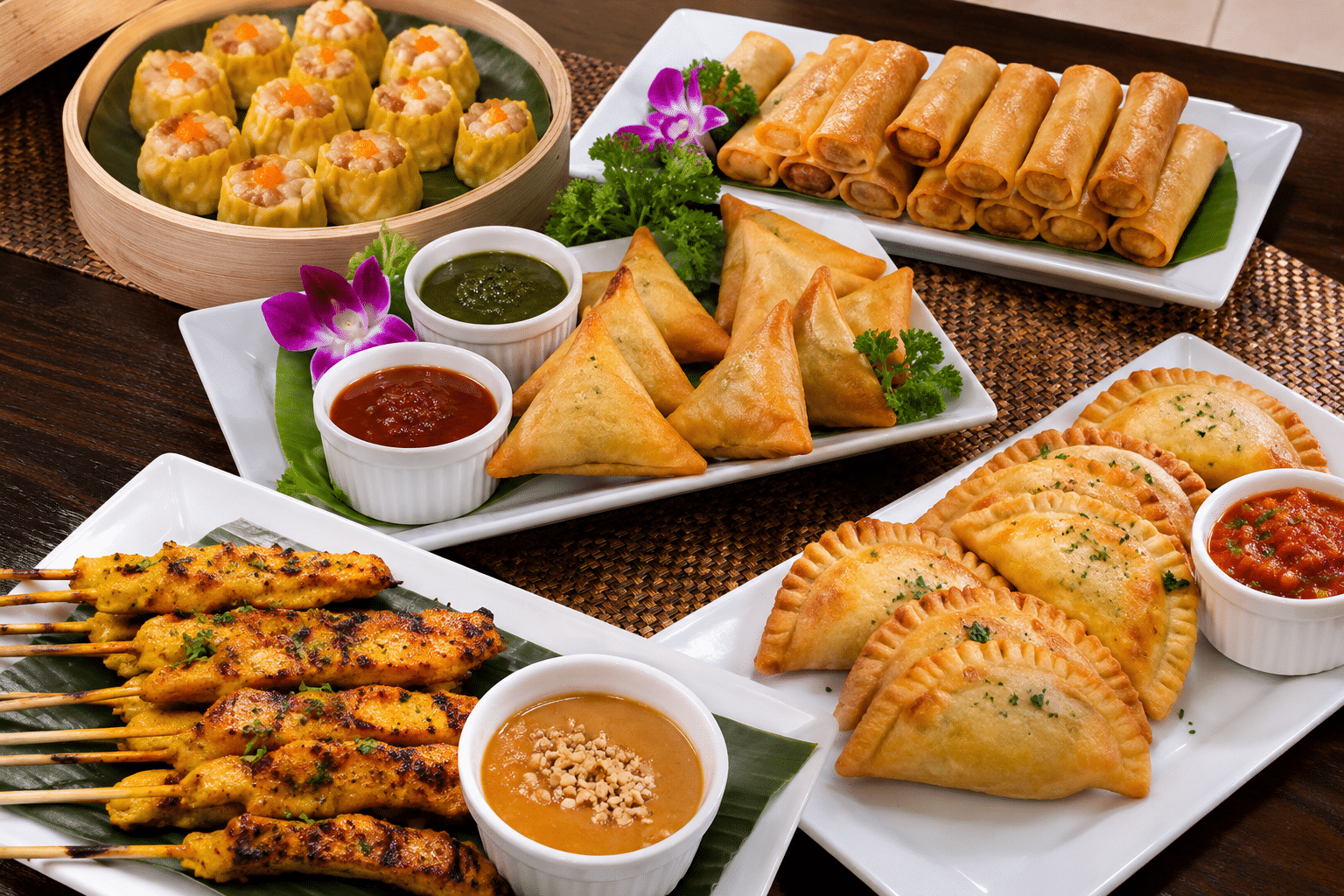
The right ethnic frozen food supplier lets your kitchen serve authentic Asian, Indian, Latin American, and Mediterranean dishes without hiring specialists for each cuisine. Look for a manufacturer with a broad global catalog, verified food safety certification, fast freezing after cooking, clear allergen labels, and reliable cold delivery. Start with two or three crowd favorites, test them in your own ovens, and expand based on what guests order most.
Culinary Specialties is an ethnic frozen food supplier and specialty food manufacturer based in San Marcos, California. Since 1996, it has produced appetizers and entrées for hotels, caterers, convention centers, country clubs, hospitals and airlines. Its wholesale catalog includes Asian dim sum, lumpia, pot stickers, samosas, and wontons, plus Indian bites and a large Southwestern line with empanadas, tamales, and arepas. Visit culinaryspecialties.net to browse the full range, check current offers, and request a quote.
Quick Takeaways
- An ethnic frozen food supplier gives you global menu variety without the cost of training staff in several cuisines.
- Global comfort food ranks among the top restaurant trends for 2026, according to the National Restaurant Association.
- Handheld appetizers such as dumplings, samosas, lumpia and empanadas are the easiest way to test new cuisines.
- Check certifications, freezing methods, allergen details, and delivery temperature control before you order.
- Culinary Specialties lists more than 60 Asian appetizers and more than 50 Southwestern items in its wholesale catalog.
What Is an Ethnic Frozen Food Supplier?
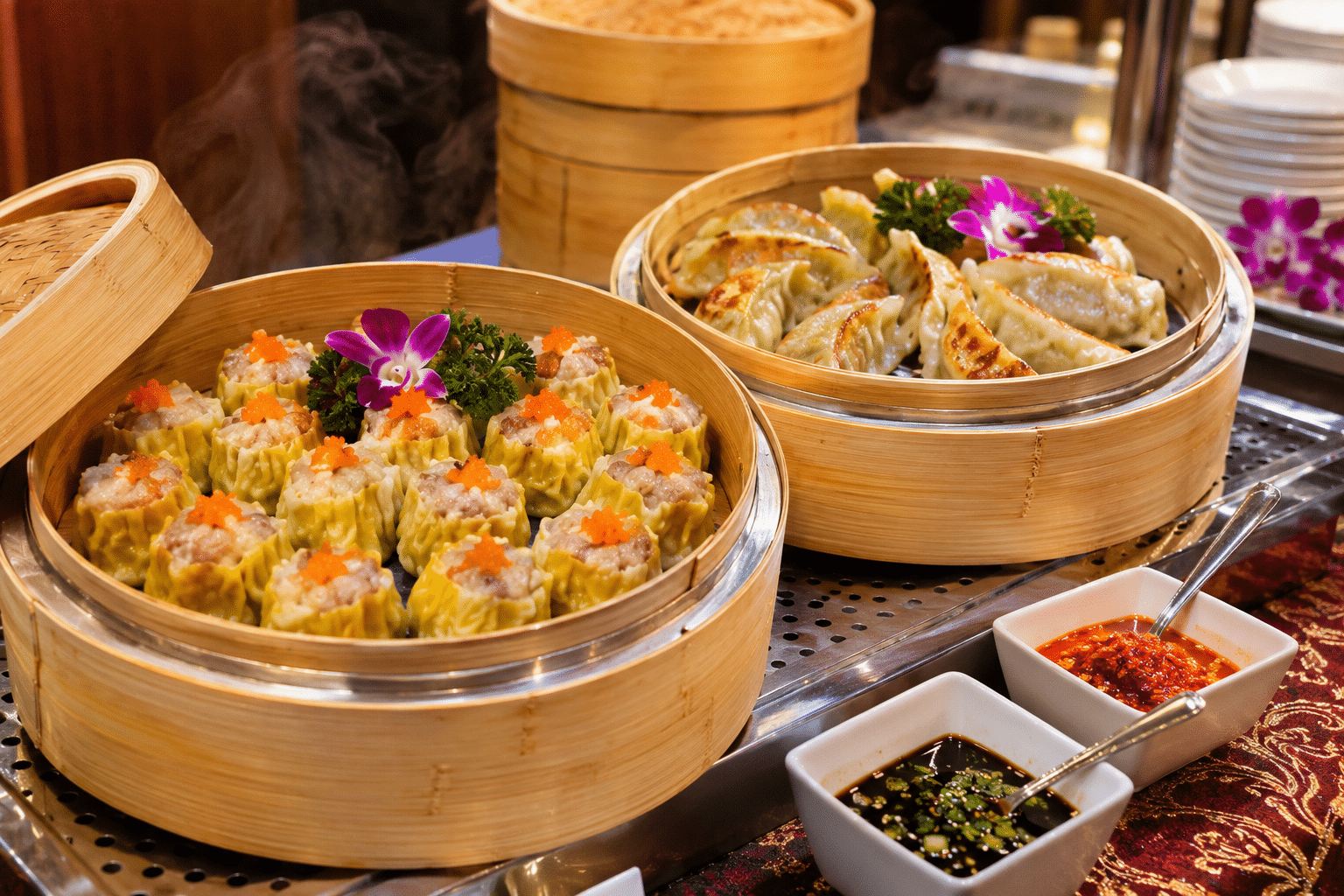
An ethnic frozen food supplier manufactures or distributes frozen dishes rooted in specific world cuisines and sells them wholesale to foodservice operators. Typical products include dim sum, spring rolls, samosas, empanadas, tamales, and satay skewers. The kitchen stores them frozen, then bakes, fries, or steams them to order.
Two main types of ethnic frozen food suppliers exist. Manufacturers cook their own recipes, control ingredients, and can often adjust products for a chef. Distributors resell items from many brands and focus on delivery and catalog breadth. Manufacturers usually offer deeper product knowledge and more flexibility, while distributors offer one-stop ordering across many categories.
Wholesale products also differ from grocery store frozen foods. They come in bulk cases with consistent piece weights; they are designed for commercial ovens and fryers, and they usually come with spec sheets that list ingredients and allergens.
Why Are Restaurants and Caterers Adding Global Dishes in 2026?
Restaurants are adding global dishes because diners want comfort food with new flavors. The National Restaurant Association’s 2026 What’s Hot Culinary Forecast named global comfort foods one of its top trends, describing chefs who reinterpret homestyle dishes from around the world. The forecast drew on a survey of hundreds of culinary professionals in October 2025.
The same forecast pointed to Caribbean curry bowls, elevated noodle dishes and miso-glazed proteins as rising items, and listed African cuisines among emerging trends. In short, guests are curious, but they still want food that feels familiar and satisfying.
That creates a staffing problem, and it is the main reason operators turn to an ethnic frozen food supplier. Few kitchens have cooks trained to fold shu mai, roll lumpia, and hand-crimp empanadas on the same shift. Frozen global appetizers solve this. The factory does the hard prep work, so your line cooks only need to heat and plate. A caterer can then offer an Asian station, a Latin station, and a Mediterranean station at the same event without adding labor.
Which Global Cuisines Sell Best as Frozen Foods?
When you work with an ethnic frozen food supplier, Asian, Latin American and Indian appetizers tend to perform best because they are handheld, travel well and hold their texture after reheating. Dumplings, spring rolls, samosas, empanadas and skewers also fit almost every service style, from passed hors d’oeuvres to buffet lines and plated starters.
Asian Appetizers
Asian items are the most familiar entry point for most guests. Pot stickers, shu mai, wontons, crab rangoon, and Filipino lumpia work well on cocktail menus. Dim sum-style items can be steamed for a softer bite or fried for crunch.
Indian Appetizers
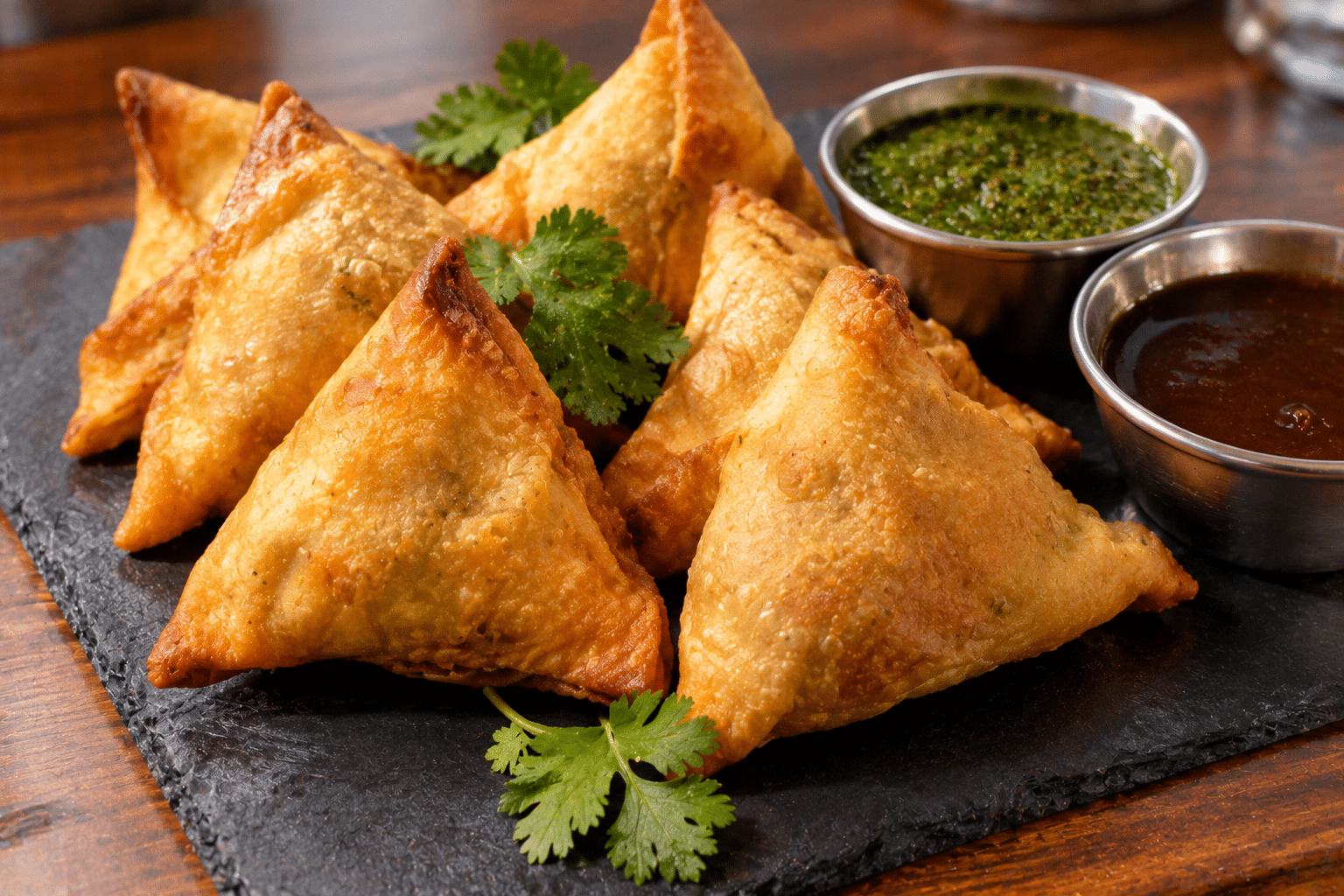
Samosas are the classic choice. Their spiced potato and pea filling is easy to explain to guests, and they pair well with chutneys or yogurt sauces. Vegetarian versions also cover meatless guests on the same tray.
Latin American and Southwestern Appetizers
Empanadas, mini tamales, taquitos, quesadillas, chile rellenos, and arepas cover a wide range of Latin flavors. They hold well in chafing dishes and suit game day menus, receptions, and breakfast buffets.
Mediterranean and Phyllo Appetizers
Phyllo-wrapped bites bring a light, flaky texture that suits upscale receptions. They bake evenly from frozen and look polished on a tray.
What Should You Look for in an Ethnic Frozen Food Supplier?
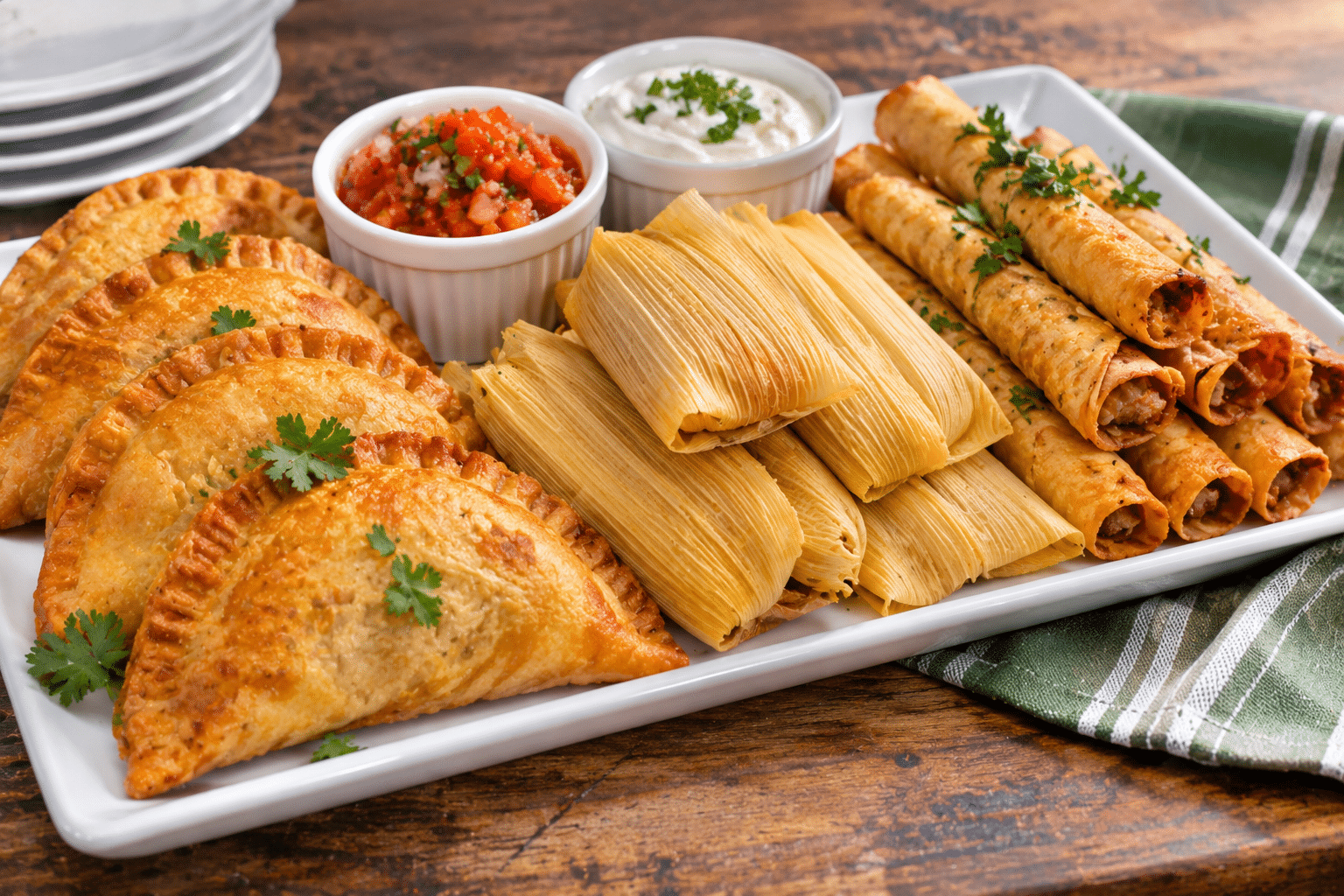
Look for proven food safety, authentic recipes, consistent portion sizes, clear allergen labels, and reliable cold delivery. Price matters, but a cheaper product that arrives partly thawed or falls apart in the fryer costs more in the end. Ask for spec sheets and samples before you commit to a full order.
Use this checklist when comparing each ethnic frozen food supplier on your shortlist:
- Food safety certification. Look for SQF certification, USDA and FDA oversight, a HACCP plan, and third-party audits.
- Catalog breadth. One supplier that covers several cuisines simplifies ordering and receiving.
- Authentic flavor. Taste test for proper seasoning, wrapper texture, and filling ratio.
- Allergen details. Global dishes often contain wheat, soy, sesame, shellfish, or peanuts, so every item needs a full label.
- Freezing method. Individually quick-frozen products keep wrappers crisp and fillings moist.
- Cold chain control. Ask how trucks are inspected and how transport temperatures are verified.
- Custom options. Some manufacturers will build items to your chef’s recipe.
- References. Ask for customers similar to your business and call at least two.
How Do You Choose the Right Global Appetizers for Your Business?
Match each product to your service style, guest profile, and kitchen equipment. A hotel banquet team needs items that plate beautifully and hold on a buffet. A caterer needs appetizers that travel without breaking. A hospital or airline needs controlled portions and simple reheating. Start with your service format, then ask your ethnic frozen food supplier which items fit it best.
| Business Type | What Matters Most | Good Global Options |
|---|---|---|
| Hotels and resorts | Presentation and banquet consistency | Shu mai, phyllo bites, satay skewers |
| Caterers | Holds well and travels easily | Empanadas, lumpia, samosas |
| Country clubs | Familiar flavors with a twist | Pot stickers, mini tamales, crab rangoon |
| Convention centers | High volume and fast service | Taquitos, wontons, spring rolls |
| Breakfast and brunch service | Handheld and filling | Breakfast burritos, quiche, empanadas |
A simple rule helps. Pair one familiar item with one adventurous item per station. For example, serve pot stickers next to lumpia, or chicken quesadillas next to arepas. Guests feel safe trying something new when a known favorite sits beside it.
Are Frozen Ethnic Foods as Good as Fresh?
Frozen ethnic foods can match fresh quality when your ethnic frozen food supplier freezes them quickly after cooking. Fast freezing forms smaller ice crystals, which helps wrappers stay crisp and fillings stay juicy. Most quality problems happen later, through temperature swings during transport or poor storage in your own freezer.
Freezing also brings real advantages. You pull only the pieces you need, so waste drops. Portions stay consistent from event to event, which keeps your food cost predictable. And you can offer a dozen cuisines without stocking fresh specialty ingredients that spoil quickly.
To protect quality, keep product at 0 degrees Fahrenheit or colder, rotate stock so the oldest cases are used first, and avoid thawing and refreezing. Always cook from frozen unless the spec sheet says otherwise, since thawed dough often turns soggy.
How Do You Add Global Dishes to Your Menu Step by Step?
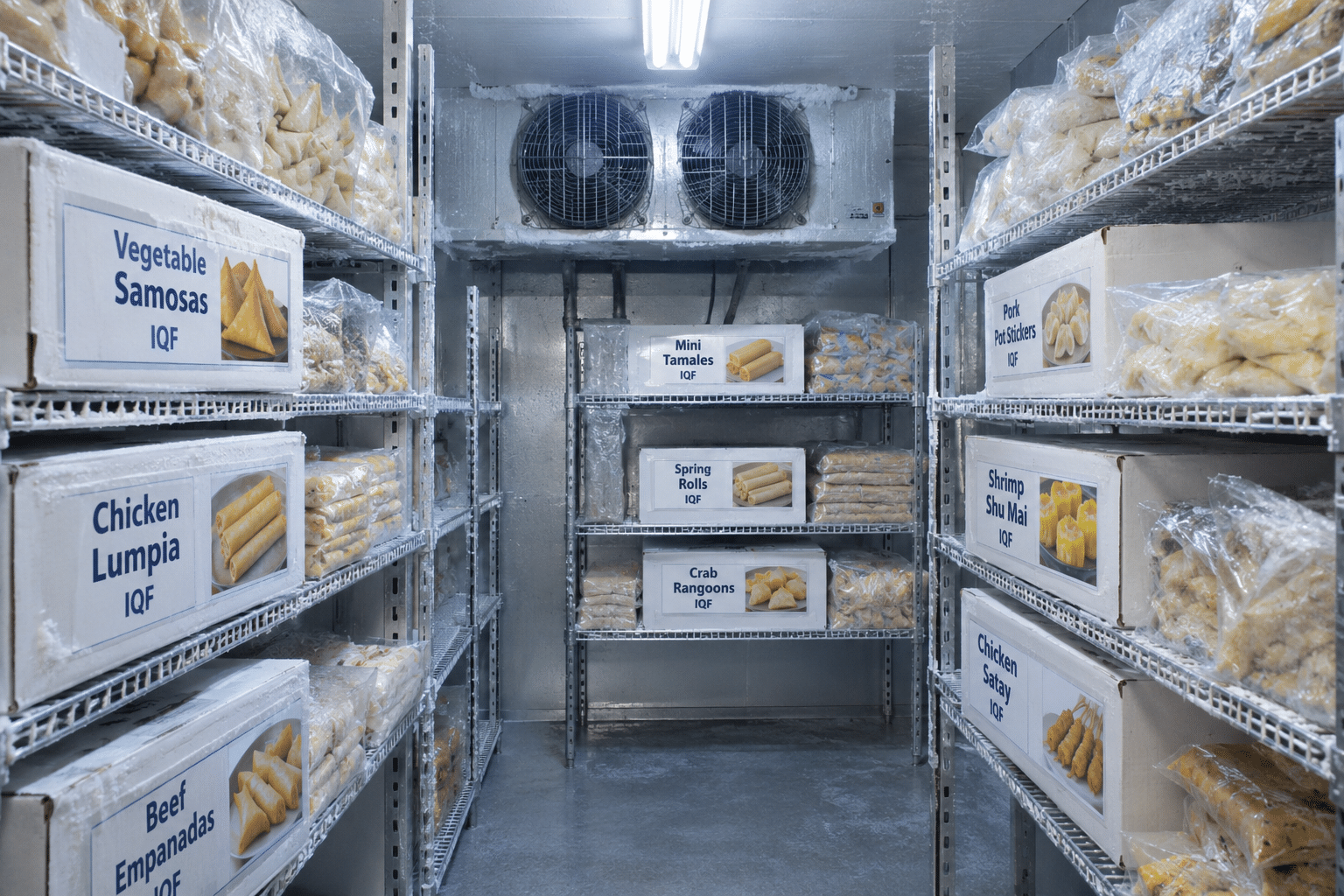
The safest way to add global dishes is a short, structured trial. Choose a few items, test them with your own equipment, serve them at one event or menu cycle, then expand based on guest feedback and sales. This approach takes a few weeks but prevents costly surprises.
- Pick one or two cuisines. Start with flavors your guests already know, such as Asian or Southwestern.
- Request samples and spec sheets. Ask your ethnic frozen food supplier for both, then review ingredients, allergens, piece weights, and case counts.
- Test in your kitchen. Cook samples exactly as your line cooks would, using your ovens or fryers.
- Train your servers. Give them a one-line description and the key allergens for each item.
- Run a trial. Feature the new items at a single event or as a limited-time special.
- Review and scale. Track sales and comments, then add more cuisines or swap slow sellers.
Compare cost per usable piece, not cost per case. A cheaper case with broken wrappers or uneven sizes often costs more once you count waste.
Why Choose Culinary Specialties as Your Ethnic Frozen Food Supplier?
As an ethnic frozen food supplier, Culinary Specialties combines a broad global appetizer catalog with nearly three decades of hospitality experience. The company started in April 1996 and now operates a USDA and FDA approved production facility at 1231 Linda Vista Drive in San Marcos, California. The Made in California manufacturer directory and the company’s own site both confirm its San Marcos base and its focus on foodservice.
Its wholesale catalog includes several global categories:
- Asian appetizers. More than 60 items across American dim sum, lumpia, pot stickers, rangoon, samosas, shu mai, wontons, and specialty items.
- Indian appetizers. A dedicated category of Indian style bites.
- Southwestern appetizers. More than 50 items, including arepas, burritos, empanadas, enchiladas, quesadillas, rellenos, tamales, and taquitos.
- Phyllo and skewered items. Phyllo appetizers plus brochettes and satay.
- Gluten-free options. About 40 gluten-free appetizers for guests with dietary needs.
On food safety, the company is SQF certified, a credential listed on both its website and its Facebook business page. It also follows HACCP and good manufacturing practices, uses third-party audits, and tests finished products for microbes. Items are quick-frozen after preparation and packed by hand, and delivery trucks are inspected daily with transport temperatures checked.
Culinary Specialties serves California, Las Vegas, Arizona, Colorado, Texas, South Florida, and Hawaii, and it can ship wholesale orders anywhere in the United States. Its hospitality partners include Disney, Hilton, Hyatt, Marriott, Ritz Carlton and Four Seasons. The team also works directly with chefs to create items to their exact specifications, which helps you offer a signature global dish that competitors cannot order from a catalog.
Frequently Asked Questions
How much do ethnic frozen appetizers cost wholesale?
Wholesale pricing depends on the item, piece size, filling, and order volume. Seafood and hand folded dim sum usually cost more per piece than vegetable samosas or cheese quesadillas. Most specialty manufacturers price by quote, so ask each ethnic frozen food supplier for a written quote. Compare suppliers by cost per usable piece, including waste and labor saved, not just case price.
Do ethnic frozen food suppliers offer vegetarian options?
Yes, most do. Vegetable samosas, vegetable spring rolls, vegetable pot stickers and bean or cheese empanadas are common choices. However, vegetarian items may still contain eggs, dairy, or fish sauce, so read every ingredient list. Culinary Specialties also offers separate vegan and vegetarian entrées alongside its global appetizers.
How should global frozen appetizers be stored?
Store them at 0 degrees Fahrenheit or colder in sealed packaging. Keep cases away from the freezer door to avoid temperature swings, and use the oldest stock first. Do not thaw and refreeze, because that damages wrappers and fillings. Cook most items straight from frozen, following the supplier’s heating directions.
What are the most common allergens in ethnic frozen foods?
Wheat and soy are the most common, since many wrappers and sauces contain them. Sesame, shellfish, peanuts, eggs, and dairy also appear often in Asian, Indian, and Latin dishes. Ask your ethnic frozen food supplier for a full allergen list for each item and share it with servers before service begins.
Can a supplier create a custom global dish for my menu?
Yes, some manufacturers produce items to a chef’s specifications. That may mean adjusting spice levels, changing a filling or creating a new product from your recipe. Culinary Specialties has built its reputation on working directly with chefs. Contact the team to discuss your concept, portion size, and expected volume.
Do I need special equipment to serve frozen ethnic appetizers?
No. Most items heat well in a standard convection oven, and many can also be fried or steamed. A steamer helps if you want a soft dim sum texture, and a fryer gives lumpia and wontons extra crunch. Check each spec sheet for recommended methods and times.
Ready to Bring Global Flavors to Your Menu?
Global comfort food is one of the clearest menu opportunities of 2026, and the right ethnic frozen food supplier makes it easy to act on. Culinary Specialties gives hotels, caterers, clubs, and institutions access to Asian, Indian, and Southwestern appetizers made in an SQF-certified, USDA- and FDA-approved facility, with quick frozen quality and delivery across the country.
Partner with Us for Delicious Pasta Dishes and More
Culinary Specialties is here to help you simplify the prep process while still offering top-quality food for your clients. Give us a call at (760) 744-8220, or you can request a quote online!