


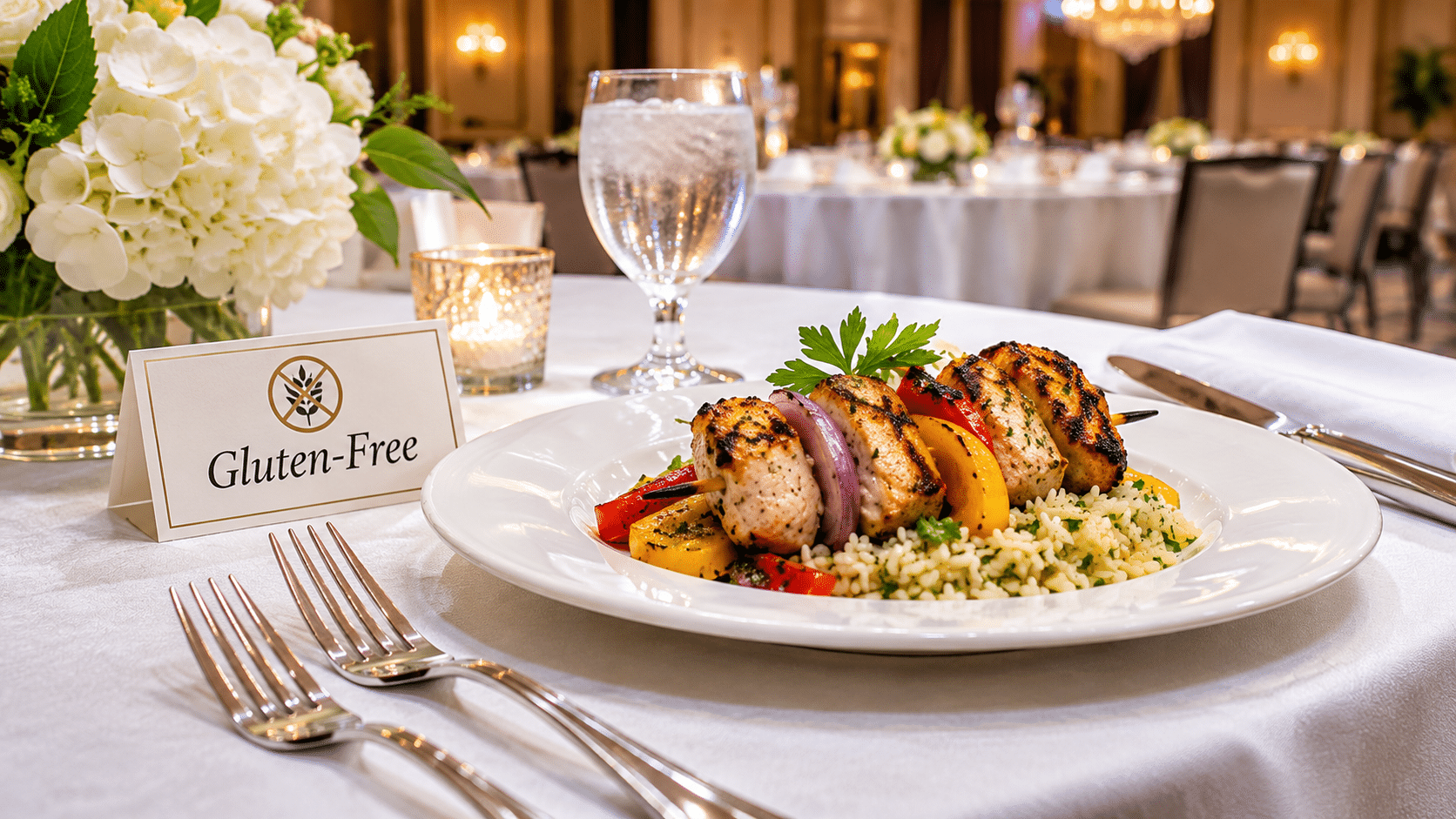
Gluten-free frozen entrees simplify menu planning by providing kitchens with consistent, pre-portioned dishes made under controlled conditions. Chefs can offer a safe choice for celiac and gluten-sensitive guests without separate scratch prep for every order. They lower cross-contact risk, last longer in storage, simplify ordering and food costing, and let one inclusive dish serve many diners at a banquet, hotel or hospital.
Culinary Specialties is a USDA and FDA approved food manufacturer in San Marcos, California, that has supplied hotels, caterers, hospitals and airlines since 1996. Its catalog pairs a gluten-free collection of about 40 items with appetizers, entrees and made-to-spec production for chefs. Every product is quick-frozen and hand-packed, and wholesale orders ship nationwide. Visit culinaryspecialties.net to see current offers and request a quote.
Quick Takeaways
- Gluten-free frozen entrees give you fixed portions, predictable costs, and fewer last-minute substitutions.
- Under FDA rules, a food labeled gluten-free must contain less than 20 parts per million of gluten.
- About 1 in 133 Americans has celiac disease, and many more limit gluten by choice or for health reasons.
- The biggest kitchen risk is cross-contact, so storage, pans, and fryers matter as much as the product itself.
- Culinary Specialties offers a gluten-free collection and custom production for hospitality kitchens nationwide.
What Are Gluten-Free Frozen Entrees?
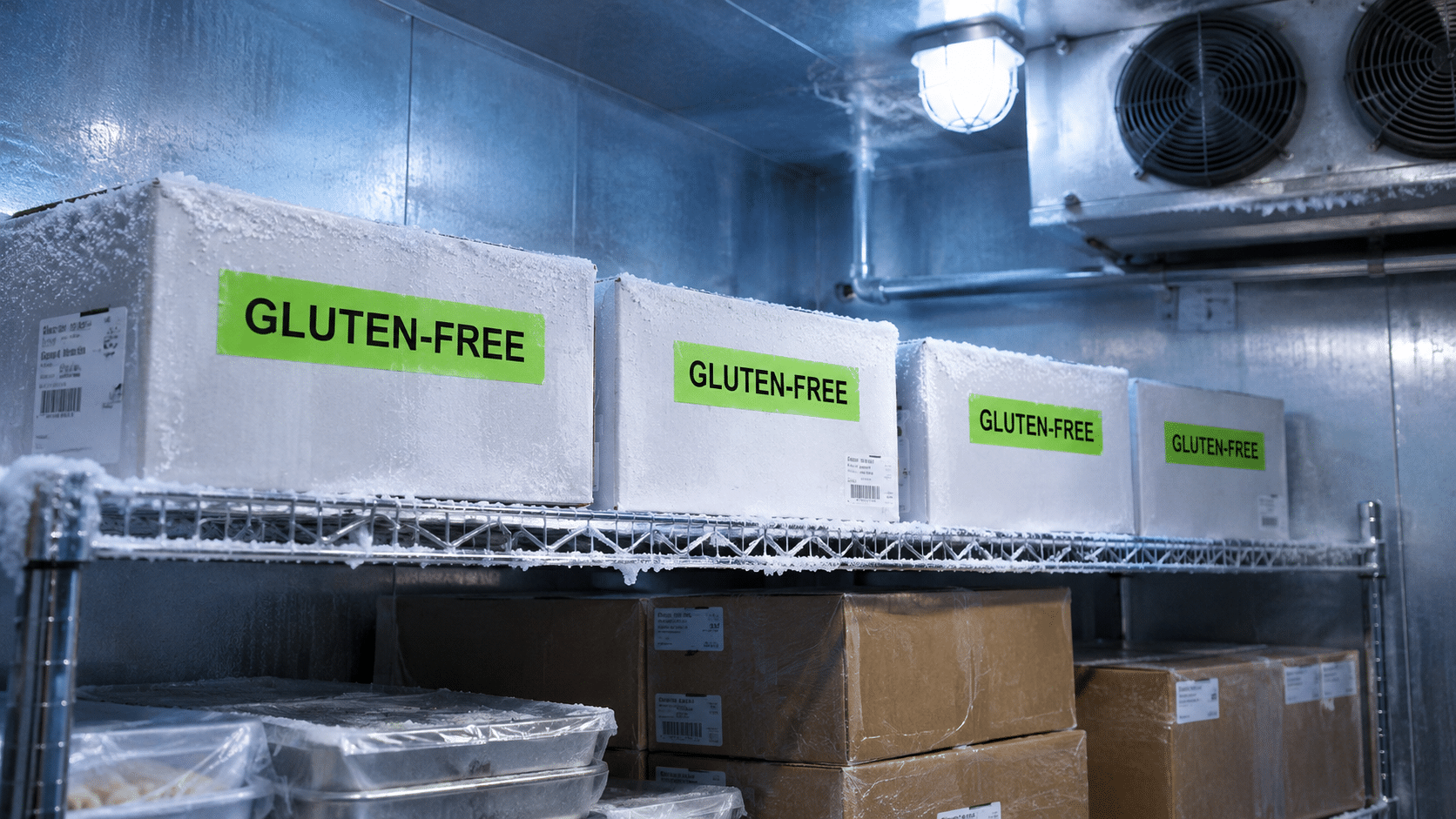
Gluten-free frozen entrees are fully prepared main dishes or protein plates made without wheat, barley, rye, or their derivatives, then frozen for storage and reheated at service. In foodservice, they usually arrive in bulk cases, portioned for banquets, catering, or plated service rather than single retail trays.
The label matters. Under the FDA’s gluten-free rule, any food carrying the words gluten-free, no gluten, free of gluten, or without gluten must contain less than 20 parts per million of gluten. The FDA also says restaurants making gluten-free menu claims should stay consistent with that federal definition.
One detail many buyers miss is that the FDA rule does not formally cover foods labeled under USDA oversight, which includes many meat and poultry products. Beyond Celiac notes this gap clearly. For a chicken or beef entree, ask your supplier for a written gluten statement or spec sheet instead of relying on the product name alone.
Why Do Inclusive Menus Need Gluten-Free Options?
Inclusive menus need gluten-free options because a meaningful share of guests cannot or will not eat gluten, and they rarely dine alone. When one person in a group has no safe choice, the whole table or event may book elsewhere. A reliable gluten-free entree keeps that guest and everyone with them.
The medical need alone is significant. Beyond Celiac estimates that about 1 in 133 Americans, roughly 1% of the population, has celiac disease, and that up to 83% of those people are undiagnosed or misdiagnosed. A 2022 CivicScience survey found that 4% of U.S. adults follow a fully gluten-free diet for medical reasons and another 10% limit gluten for the same reason.
The group effect is what turns those percentages into revenue. A 2025 Coeliac UK report found that 70% of gluten-free diners eat out with two or more people. For a wedding, conference, or hotel banquet, that means a single gluten-free request can shape the venue or caterer choice for an entire party.
How Do Gluten-Free Frozen Entrees Simplify Menu Planning?
Gluten-free frozen entrees simplify menu planning by turning a special request into a standard inventory item. Instead of building a custom plate each time, your team pulls a known product with a fixed portion, cost, and cooking method. That predictability helps with forecasting, staffing, costing, and guest communication.
Consistent Portions and Food Costing
Every piece is the same size and weight, so plate cost stays steady from event to event. That makes banquet pricing and catering quotes easier to build and easier to defend.
Lower Cross-Contamination Risk
A product made and sealed off-site arrives without passing through your prep tables, cutting boards, or flour-dusted surfaces. Your remaining job is to keep it separate during storage and reheating.
Longer Shelf Life and Less Waste
According to USDA food safety guidance, food kept at 0°F stays safe indefinitely, though quality is best within a few months. Frozen stock lets you hold a small gluten-free inventory for surprise requests without throwing away unused fresh prep.
Faster Service at Scale
Large events often receive dozens of dietary requests at once. A ready gluten-free entree lets the line plate those orders on the same timing as the main menu, so special meals do not hold up service.
Which Foodservice Settings Benefit Most From Gluten-Free Frozen Entrees?
High-volume operations with unpredictable dietary requests benefit most. Hotels, caterers, hospitals, airlines, country clubs and convention centers all need a safe option on hand at short notice, and frozen gluten-free products let them say yes without disrupting the main kitchen.
| Situation | Recommended Approach |
|---|---|
| Hotel banquets and weddings | Keep one gluten-free plated entree and one gluten-free passed appetizer on standby for every event |
| Off-site catering | Pack gluten-free items in sealed, labeled containers and reheat them in dedicated pans |
| Hospitals and senior living | Use pre-portioned items with spec sheets so dietitians can approve them in advance |
| Airlines and boxed meals | Choose items that reheat evenly and hold well, with allergens printed on every case |
| Country clubs and private dining | Offer a gluten-free protein option that matches the style of the main menu |
| Independent restaurants | Start with two items that cover lunch and dinner, then expand based on orders |
Frozen vs. Scratch-Made Gluten-Free Entrees: Which Option Is Better?
Frozen gluten-free entrees are usually better for high-volume or unpredictable service, while scratch-made gluten-free dishes suit kitchens with dedicated space and trained staff. Many operators use both, keeping frozen products for banquets and rush periods and cooking signature gluten-free dishes from scratch when time allows.
| Factor | Frozen Gluten-Free Entrees | Scratch-Made Gluten-Free Dishes |
|---|---|---|
| Labor | Minimal, mostly reheating and plating | High, with separate prep and cooking |
| Cross-contact control | Handled mainly at the manufacturing facility | Depends entirely on your kitchen setup |
| Consistency | Same portion and recipe every time | Varies by cook and shift |
| Shelf life | Months in frozen storage | Days at most |
| Customization | Limited unless the supplier offers made-to-spec items | Unlimited |
| Best fit | Banquets, catering, healthcare, airlines | Fine dining, chef-driven tasting menus |
The smartest choice often depends on volume. If gluten-free requests are occasional and unpredictable, frozen stock prevents waste. If they make up a steady share of covers, a mix of frozen staples and scratch specials gives you both efficiency and creativity.
How Should You Store and Handle Gluten-Free Frozen Entrees?
Store gluten-free frozen entrees at 0°F or below, sealed and clearly labeled, on shelves above any products that contain gluten. During service, reheat them in clean, dedicated pans and keep them away from shared fryers, toasters, and flour stations. Most gluten exposure in kitchens happens after the product arrives.
Follow these steps to protect the product from delivery to plate:
- Check the case on arrival. Confirm the gluten-free label or spec sheet, and reject anything that shows signs of thawing.
- Store on a high shelf. Gluten-free items placed above other products cannot be dusted by crumbs or flour.
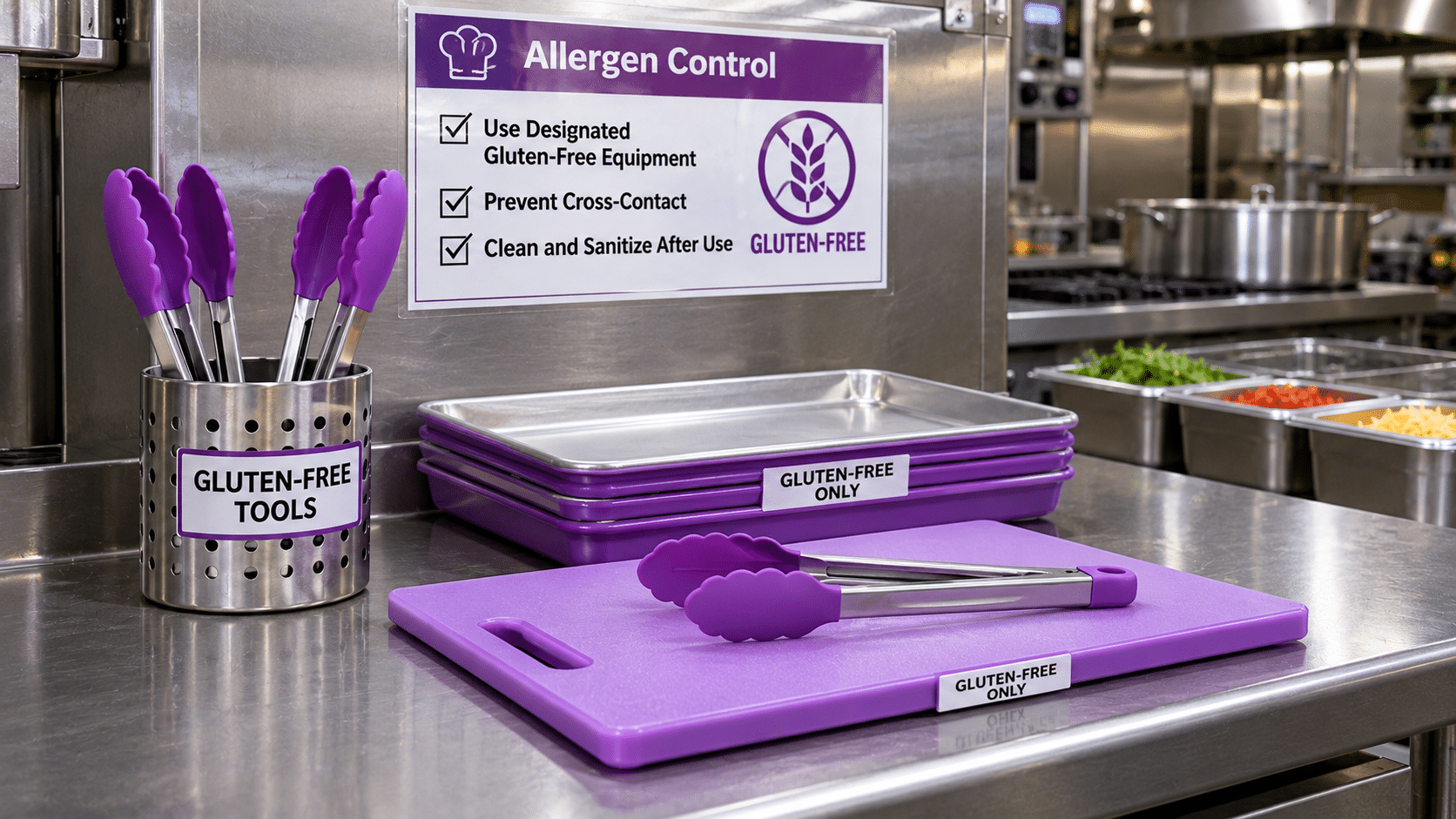
- Use color-coded tools. Dedicated pans, tongs, and cutting boards make it obvious which equipment is safe.
- Avoid shared fryer oil. Oil used for breaded items transfers gluten to anything else cooked in it.
- Label the plate. Mark gluten-free plates with a pick or tag so servers deliver them to the right guest.
- Train every shift. Servers and cooks should know which items qualify and how to answer guest questions.
What Should You Ask a Gluten-Free Frozen Entree Supplier?
Ask a gluten-free frozen entree supplier for written ingredient and allergen statements, proof of food safety certification, and a clear description of how they prevent cross-contact during production. A strong supplier will share spec sheets, case counts, and handling instructions without hesitation.
Use this checklist when you vet suppliers:
- A current SQF or other GFSI-recognized certification
- USDA or FDA oversight of the production facility
- A documented HACCP plan and sanitation procedures
- Item-level allergen and gluten statements, especially for meat and poultry products
- Portion weights and case counts for costing
- Freezing and packing methods that protect texture
- Delivery coverage for your region and how product stays cold in transit
- The option to create custom items to your chef’s recipe
Why Work With Culinary Specialties for Gluten-Free Menu Items?
Culinary Specialties combines a dedicated gluten-free collection with nearly three decades of experience supplying hospitality kitchens. Founded in April 1996, the company operates a USDA and FDA approved, SQF certified facility at 1231 Linda Vista Drive in San Marcos, California. Its LinkedIn company profile lists the same 1996 founding year and San Marcos headquarters, and its Facebook page also describes the company as an SQF-certified manufacturer.
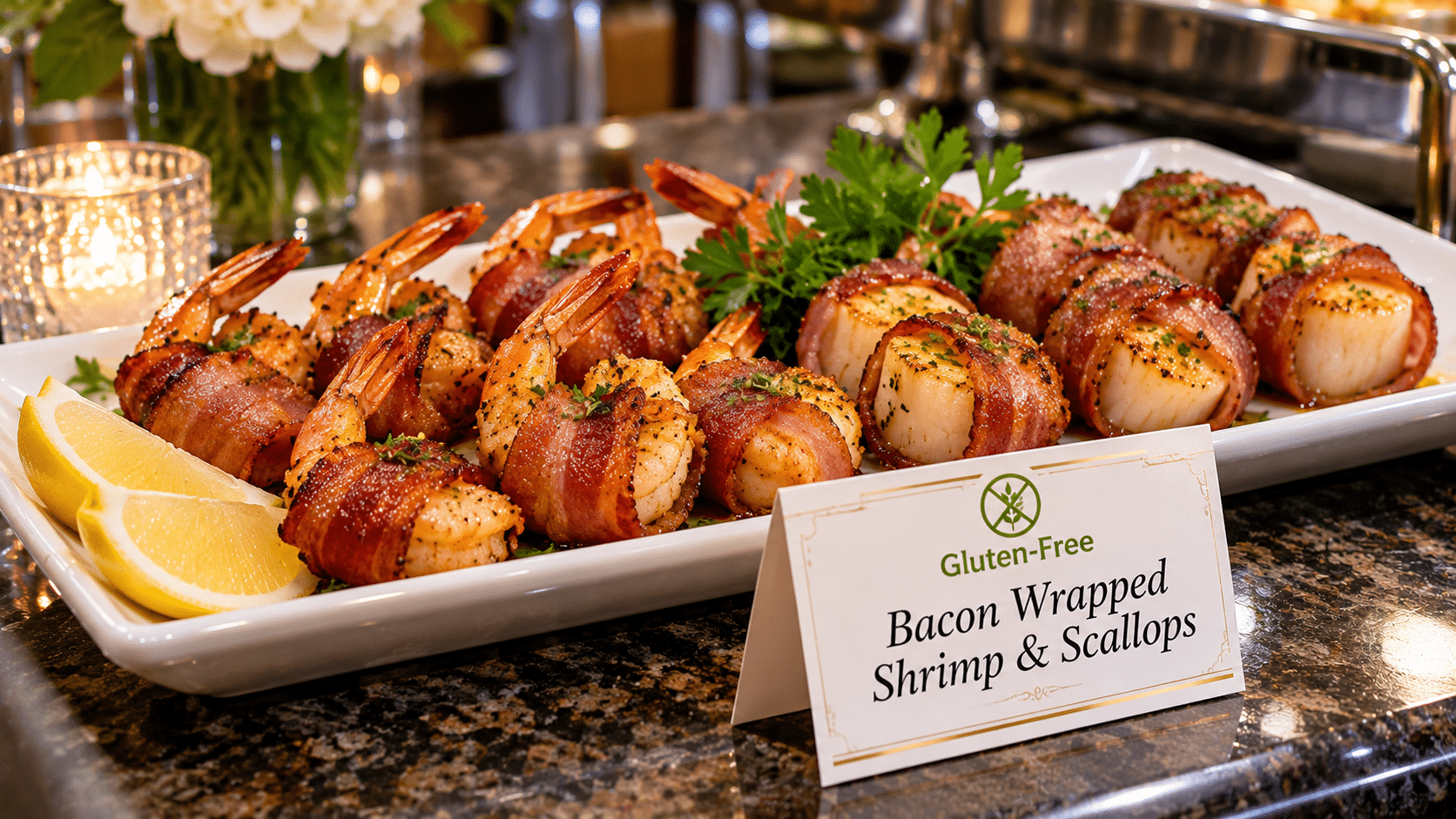
The gluten-free collection is built around protein-forward items that work as passed appetizers, small plates or components of a larger entree. Examples include bacon-wrapped shrimp, bacon-wrapped scallops, and beef or chicken brochettes with peppers and onions. For full plated entrees, the team works directly with chefs to produce items to exact specifications, so ask about a gluten-free version of the dish you have in mind.
Food safety is documented in detail. The company lists HACCP plans, good manufacturing practices, third-party audits, and microbiological testing of finished products. Items are individually quick-frozen right after preparation and hand-packed.
Culinary Specialties serves San Diego, Orange County, Los Angeles, Las Vegas, Arizona, Colorado, Texas, South Florida and Hawaii, and it can ship wholesale orders anywhere in the United States. Its wholesale page lists Hilton, Hyatt, Marriott, Ritz-Carlton, and Four Seasons among its hospitality partners.
Frequently Asked Questions
Is gluten-free the same as wheat-free?
No. Wheat-free foods avoid wheat but may still contain barley or rye, which also contain gluten. Malt, for example, usually comes from barley. Under FDA rules, a product labeled gluten-free must avoid all three grains and test below 20 parts per million of gluten, so always look for the gluten-free claim rather than wheat-free.
Can you serve gluten-free frozen entrees to guests with celiac disease?
Yes, as long as the product is truly gluten-free and your kitchen prevents cross-contact. Confirm the label or spec sheet, store the item above gluten-containing foods, and reheat it in dedicated pans. Avoid shared fryers and toasters. Tell guests honestly how the dish is handled so they can make an informed choice.
How long do gluten-free frozen entrees last?
Food held at a steady 0°F stays safe indefinitely according to USDA guidance, but flavor and texture are best within a few months. Follow the supplier’s recommended storage window, rotate stock so the oldest cases are used first, and never refreeze product that has fully thawed.
Do gluten-free frozen entrees cost more than regular entrees?
Gluten-free ingredients and controlled production can raise the case price slightly. However, frozen products often lower your true cost per plate because they reduce labor, waste, and remakes. Compare cost per usable portion, including staff time, rather than comparing case prices alone.
Can I get custom gluten-free items made for my menu?
Many specialty manufacturers produce items to a chef’s specifications, including gluten-free versions of signature dishes. Culinary Specialties has built its reputation on this kind of made-to-spec work for hotels and caterers. Contact the team to discuss your recipe, portion size, expected volume, and lead time.
How do I order from Culinary Specialties?
Request a wholesale quote through the Culinary Specialties website, or call 760-744-8220. You can also email info@culinaryspecialties.net. Share the products you want, your quantities, and your delivery date. Pricing is provided by quote, and delivery is available nationwide.
Ready to Simplify Your Gluten-Free Menu Planning?
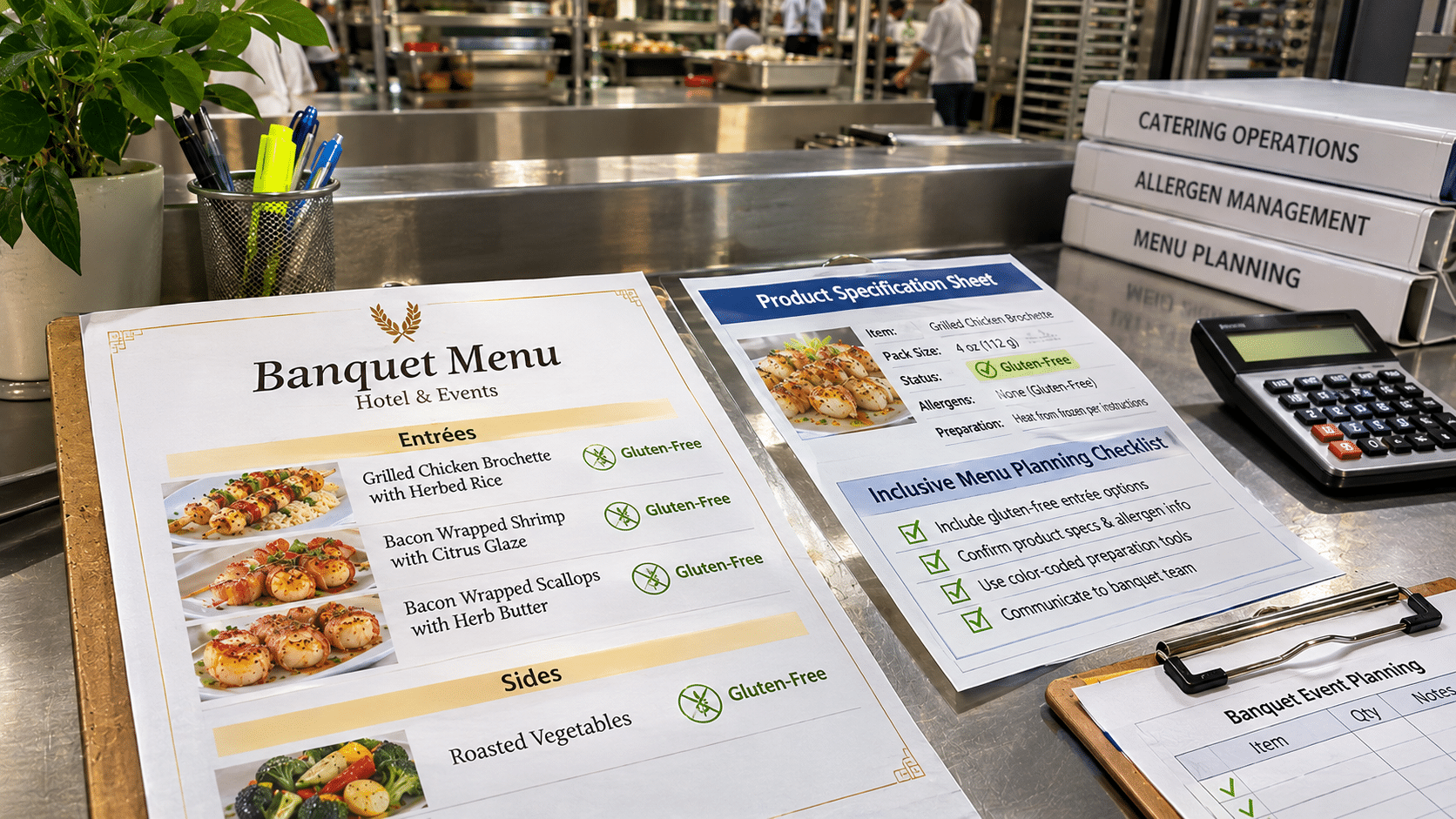
Gluten-free frozen entrees turn a stressful special request into a simple, repeatable part of service. They help you welcome celiac and gluten-sensitive guests, keep groups together, and protect your food cost. Culinary Specialties gives hospitality kitchens a gluten-free collection, chef-driven custom production, an SQF-certified facility, and nationwide delivery.
Partner with Us for Delicious Pasta Dishes and More
Culinary Specialties is here to help you simplify the prep process while still offering top-quality food for your clients. Give us a call at (760) 744-8220, or you can request a quote online!