



Introduction: Why Private Label Food Manufacturing Is on the Rise
Private label food manufacturing has emerged as a powerful trend in today’s food industry. Once considered a niche option, private label products are now widely embraced by grocery stores, restaurants, and specialty retailers throughout Southern California. With increasing demand for locally sourced, sustainable, and cost-effective products, the role of a private label food manufacturer has never been more important.
In regions like San Diego, where culinary innovation and consumer expectations run high, businesses are leveraging private label partnerships to create unique offerings that stand out on shelves and menus. From organic snacks to ready-to-eat meals, the private label sector is reshaping how food is produced, marketed, and consumed.
Understanding Private Label Food Manufacturing
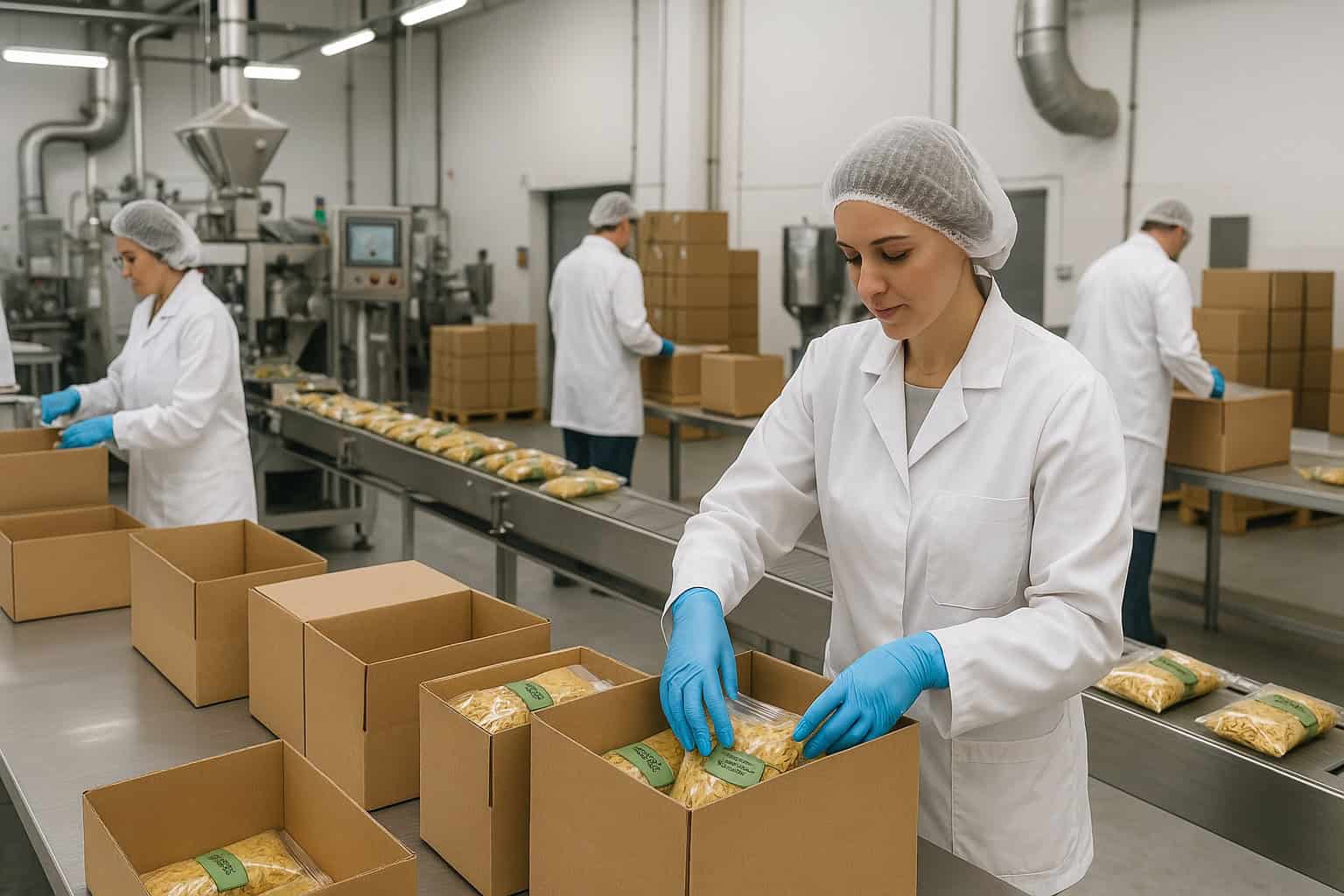
Private label food manufacturing refers to the process where a company produces food products that are marketed and sold under another company’s brand name. This allows retailers, restaurants, and distributors to deliver exclusive products to their customers without investing heavily in infrastructure.
For example, a San Diego-based health food store may work with a private label food manufacturer to produce a custom line of organic granola. The store benefits by offering a unique, branded product that reflects its identity while relying on the manufacturer’s expertise in production and quality control.
Why Businesses Choose Private Label Partnerships
The popularity of private label food manufacturing is driven by several factors:
- Cost Efficiency: Partnering with a private label manufacturer reduces overhead costs, as businesses don’t need their own factories or production staff.
- Customization: Retailers can design recipes, packaging, and labeling tailored to their customer base.
- Brand Loyalty: Exclusive private label products strengthen customer loyalty by creating unique, recognizable offerings.
- Speed to Market: Manufacturers with established facilities can rapidly produce and scale products, giving businesses a competitive edge.
In the competitive Southern California market, these advantages are particularly attractive for boutique grocery stores, farm-to-table restaurants, and specialty distributors.

Key Industries Benefiting in Southern California
Southern California’s diverse food scene has made it a hotspot for private label expansion. The industries benefiting the most include:
- Grocery and Retail Chains: Supermarkets in San Diego increasingly stock private label items to compete with national brands.
- Hospitality and Restaurants: Local restaurants are creating proprietary sauces, beverages, and packaged goods to extend their brand beyond the dining experience.
- Health and Wellness: With San Diego’s strong focus on fitness and clean eating, there’s growing demand for private label protein powders, supplements, and natural snacks.
- Sustainable Food Brands: Eco-conscious businesses collaborate with manufacturers to produce plant-based and environmentally friendly food products.
This trend reflects both consumer demand and the entrepreneurial spirit of Southern California’s food industry.
The Role of Quality and Compliance
A crucial factor in private label food manufacturing is ensuring quality and regulatory compliance. Leading manufacturers maintain rigorous standards in areas such as:
- Food Safety Certifications: Compliance with FDA, USDA, and California-specific regulations.
- Allergen Controls: Clear labeling and safe production lines for products containing common allergens.
- Sustainability Practices: Eco-friendly packaging and reduced carbon footprint in operations.
Businesses seeking a private label partner should evaluate not just price but also the manufacturer’s track record in safety, quality, and innovation.

Private Label and Consumer Preferences
Consumers in Southern California are known for their discerning tastes. They prefer products that align with their lifestyle choices, whether that means organic, locally sourced, gluten-free, or plant-based.
Private label products cater directly to these preferences. Because businesses can customize their offerings, they’re able to meet specific market demands quickly. This agility allows local stores and restaurants to stand out from larger national competitors by offering unique, regionally inspired options.
Looking Ahead – The Future of Private Label Food Manufacturing
The private label food manufacturing trend shows no signs of slowing down. With rising food costs and consumers demanding transparency, businesses will continue to seek partnerships that allow them to deliver high-quality, affordable products under their own brand name.
In San Diego and across Southern California, the future looks bright for companies willing to embrace this model. By collaborating with an experienced private label food manufacturer, businesses can expand their product lines, reinforce their brand identity, and position themselves at the forefront of culinary innovation.
Conclusion
Private label food manufacturing is more than just a cost-saving strategy—it’s a pathway to brand growth, consumer trust, and long-term success. For businesses in San Diego and Southern California, choosing the right private label food manufacturer could be the key to thriving in today’s competitive marketplace.