


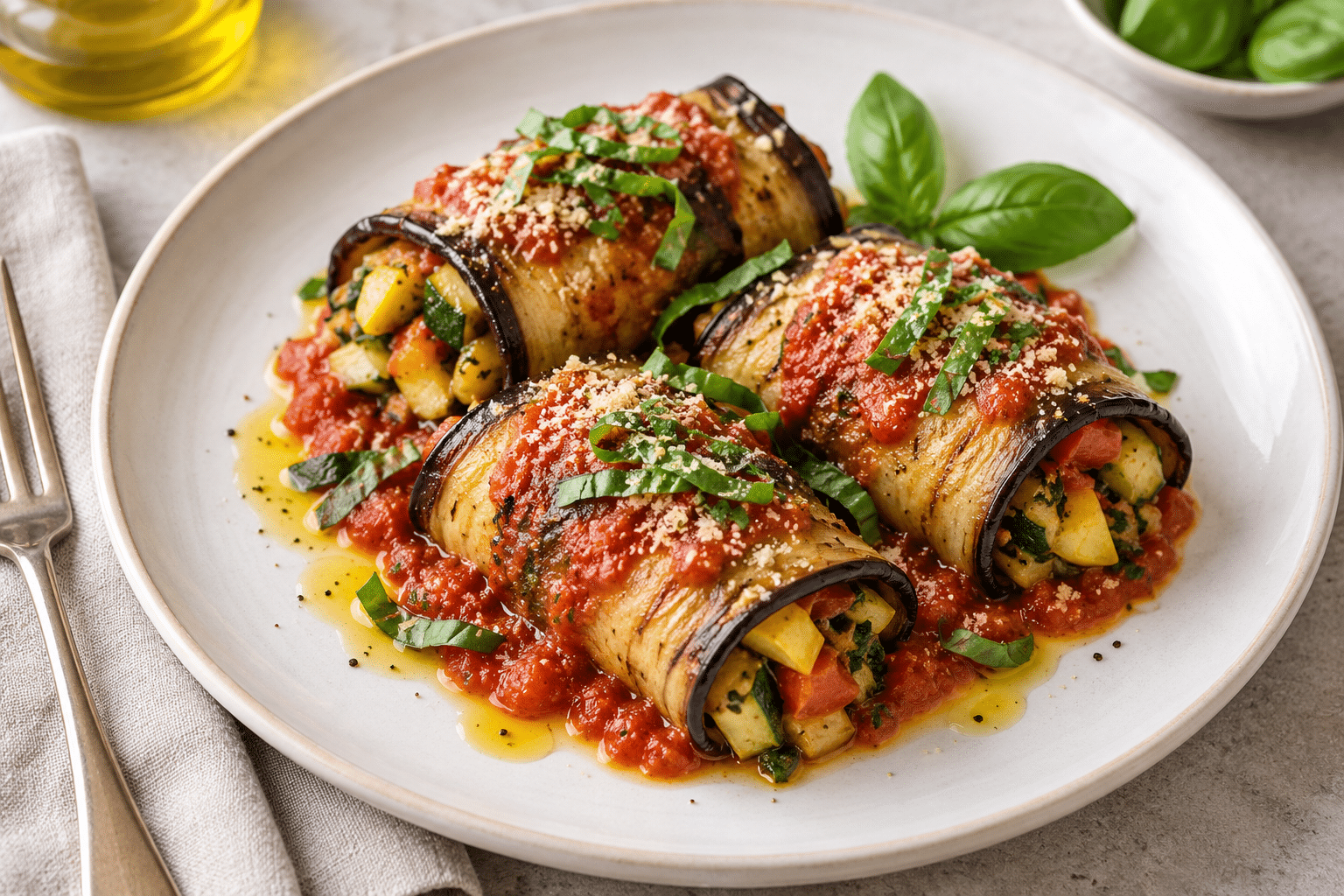
Restaurants are choosing vegan frozen food wholesale because it adds plant-based dishes without adding labor. No extra prep, no special inventory, and minimal spoilage. Diners want more vegan options, yet most chains still offer very few. Frozen, pre-portioned vegan items close that gap. They wait in the freezer until a guest orders, and any line cook can finish them in minutes.
Culinary Specialties is a USDA- and FDA-approved food manufacturer in San Marcos, California. It makes vegan and vegetarian entrées, along with appetizers and entrées for hotels, caterers, and restaurants. They quick-freeze every item right after cooking and hand-pack it. The company also offers vegan frozen food wholesale with delivery anywhere in the United States. Visit culinaryspecialties.net to see the full lineup, check current offers, and request a quote.
Quick Takeaways
- Most diners are open to plant-based food, but few large chains serve it. As a result, much of that demand goes unmet.
- Frozen vegan items shift the hardest prep work to the manufacturer. This matters because good chefs are still hard to hire.
- Vegetable-forward dishes tend to sell better than imitation meat, which lost foodservice sales in 2025.
- Not every item in a “vegan and vegetarian” category is vegan. Always check the ingredient list.
- Culinary Specialties sells vegan frozen food wholesale, including an eggplant rollatini and a soyrizo turnover.
What Is Vegan Frozen Food Wholesale?
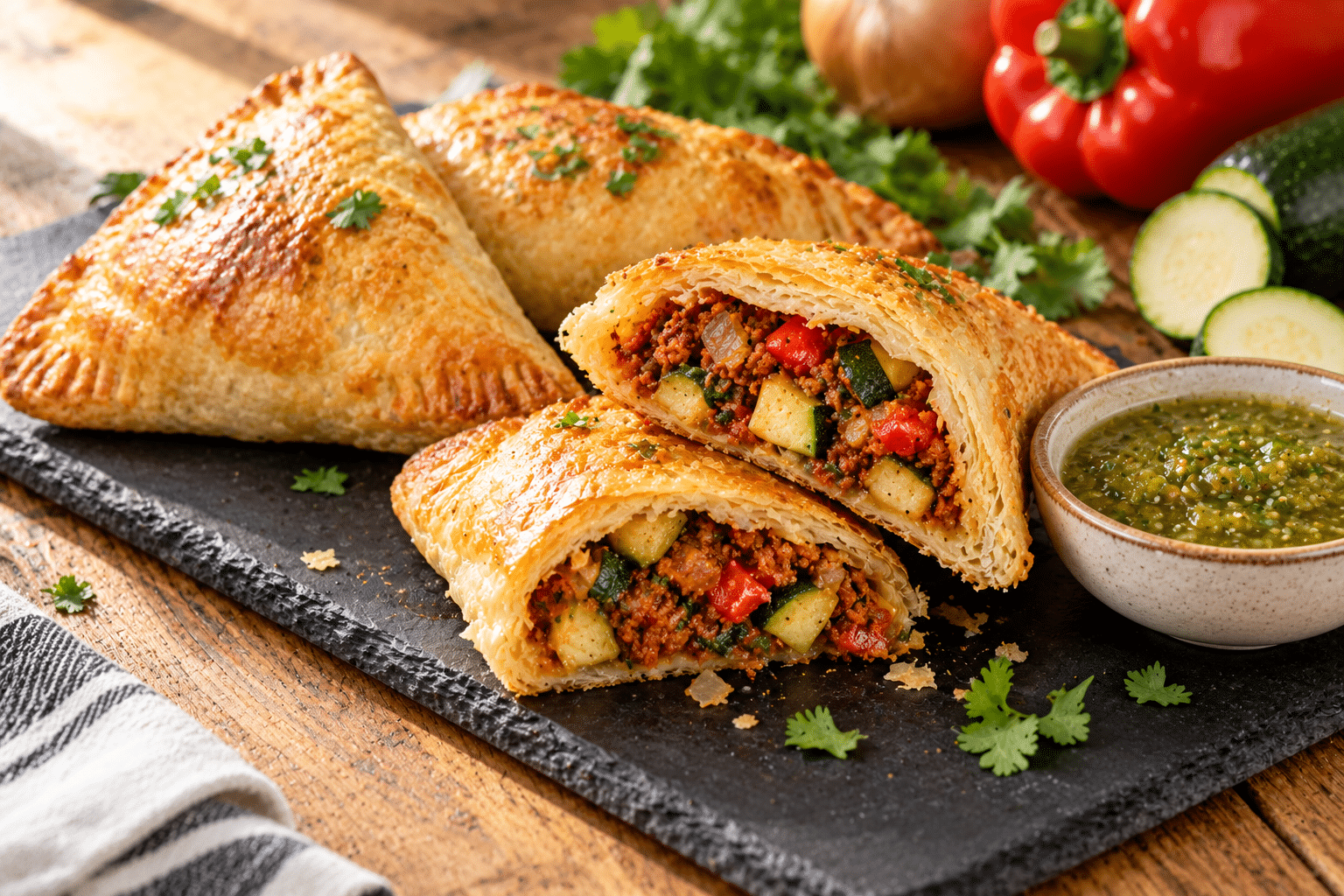
Vegan frozen food wholesale means buying ready-made plant-based dishes by the case for restaurant use. These dishes contain no meat, fish, dairy, eggs, or honey. A manufacturer cooks them, freezes them, and ships them frozen. Then the restaurant bakes, steams, or reheats them to order.
Wholesale items differ from grocery store frozen food. First, they come in bulk cases with even portion sizes. Second, they are built for commercial ovens. Third, they usually come with spec sheets that list ingredients and allergens.
However, the word vegan needs care. Many suppliers list vegan and vegetarian dishes together. Vegetarian dishes may contain cheese, butter, or eggs. For example, a mushroom stuffed with goat cheese is vegetarian, not vegan. So before you print “vegan” on a menu, check the ingredients for that exact item.
How Much Demand Is There for Vegan Options at Restaurants?
Demand is bigger than most menus show. The Good Food Institute found that 71 percent of Americans from Gen Z through Gen X are open to plant-based meat and dairy. Yet in 2025, only about 8 percent of the top 250 restaurant chains offered a plant-based meat dish.
Plant-based diners are also good guests. Their checks run about 14 percent higher when they order a plant-based item. In addition, plant-based meat diners spend close to $2,000 a year at chains, about $500 more than average. More than a third of interested diners said they skipped it because it wasn’t on the menu.
There is one caveat. Foodservice sales of plant-based proteins fell 7 percent to $291 million in 2025. Taste and price were the main barriers. Still, some formats grew, including plant-based chorizo. The lesson is clear. Guests reward vegan dishes that taste great on their own, not costly copies of meat. That is why many operators now buy vegan frozen food wholesale built around vegetables.
How Does Frozen Vegan Food Help Restaurants Manage Labor?
Frozen vegan food moves prep work out of the restaurant kitchen. The manufacturer handles the recipe, the cooking, and the separation from animal products. As a result, your cooks only need to heat and plate. No one has to learn a new set of vegan recipes.
Labor is still a top pressure. According to the National Restaurant Association’s 2026 report, more than 9 in 10 operators call food and labor costs a major challenge. Nearly three-quarters of those hiring expect trouble finding skilled chefs. Similarly, Toast found that 42 percent of full-service operators struggled to hire in 2025.
Scratch-made vegan dishes add hidden work. They need separate prep, separate pans, and ingredients the rest of the menu never uses. And if the one cook who knows the recipe calls out, the dish disappears for the night. With vegan frozen food wholesale, any line cook can serve it every shift.
Does Frozen Vegan Food Taste as Good as Scratch-Made?
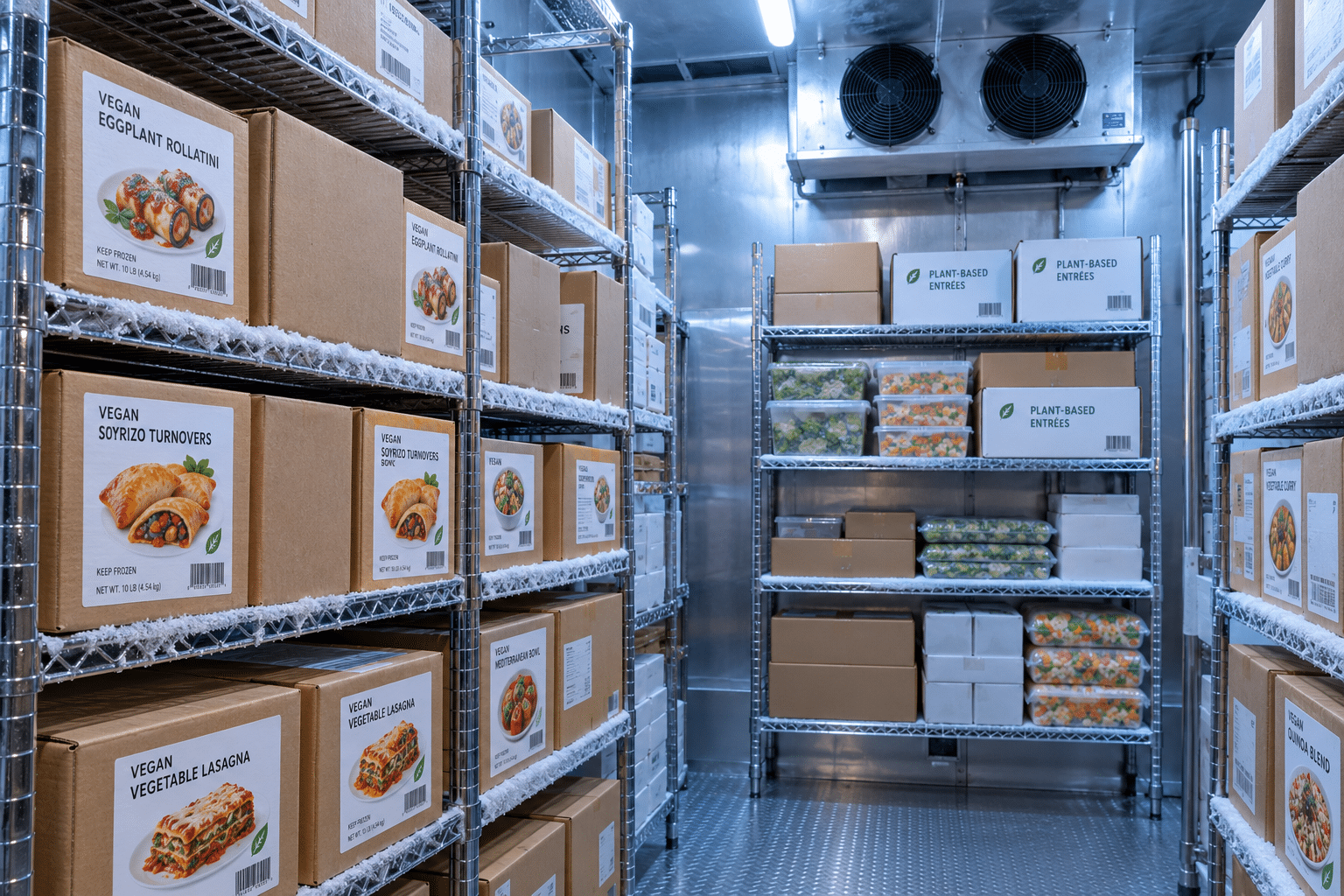
Yes, good frozen vegan food can come very close to scratch quality. The key is fast freezing. Individually quick freezing chills each piece rapidly. This keeps ice crystals small, so vegetables stay firm and pastry stays flaky after baking.
How you present the dish matters too. The Good Food Institute reports that diners often expect to dislike plant-based food more than they actually do. In one study, listing plant-based dishes as the default choice raised selection from 31 percent to 82 percent.
A few simple habits help frozen vegan dishes shine:
- Cook from frozen, exactly as the supplier recommends.
- Add something fresh before serving, such as herbs, sauce, or citrus.
- Describe the flavors first. Lead with “roasted eggplant,” not just “vegan.”
Is Vegan Frozen Food Wholesale Cheaper Than Making It In-House?
For most restaurants, yes. If vegan dishes sell in low or steady volume, vegan frozen food wholesale usually costs less once you count labor and waste. Scratch cooking can be cheaper per plate at very high volume. But it adds labor, extra stock, and spoilage that rarely show up on a recipe card.
| Factor | Made in-house | Frozen wholesale |
|---|---|---|
| Prep labor | High, needs a skilled cook | Low, any line cook can finish it |
| Extra inventory | Items used only for vegan dishes | One case per menu item |
| Spoilage risk | High for slow-selling produce | Low, stays frozen until ordered |
| Consistency | Changes by cook and shift | Same every time |
| Time to launch | Weeks of testing | As soon as it arrives |
| Recipe control | Full | Limited, unless the supplier customizes |
| Cost per plate at high volume | Often lower | Often higher |
Here is a simple rule. If a vegan dish is a best seller every night, scratch cooking may pay off. Otherwise, buying frozen usually protects your margin.
Which Vegan Dishes Work Best on Restaurant Menus?
The best vegan dishes use vegetables in formats guests already know. Think stuffed or rolled vegetables, savory pastries, dumplings, and finger foods. These dishes appeal to everyone, not just vegans. As a result, they sell faster and waste less.
| Situation | Best vegan format |
|---|---|
| Banquets and plated dinners | A vegetable entrée, such as eggplant rollatini |
| Breakfast and brunch | A savory turnover with plant-based chorizo |
| Bars and casual dining | Shareable finger foods that bake or fry fast |
| Catering and events | Single portions that hold well on a buffet |
| Hotels and room service | Items that heat to order at any hour |
Start small. One vegan appetizer and one vegan entrée are often enough. That way, a mixed group never has a reason to go elsewhere.
What Should Restaurants Look for in a Vegan Frozen Food Wholesale Supplier?
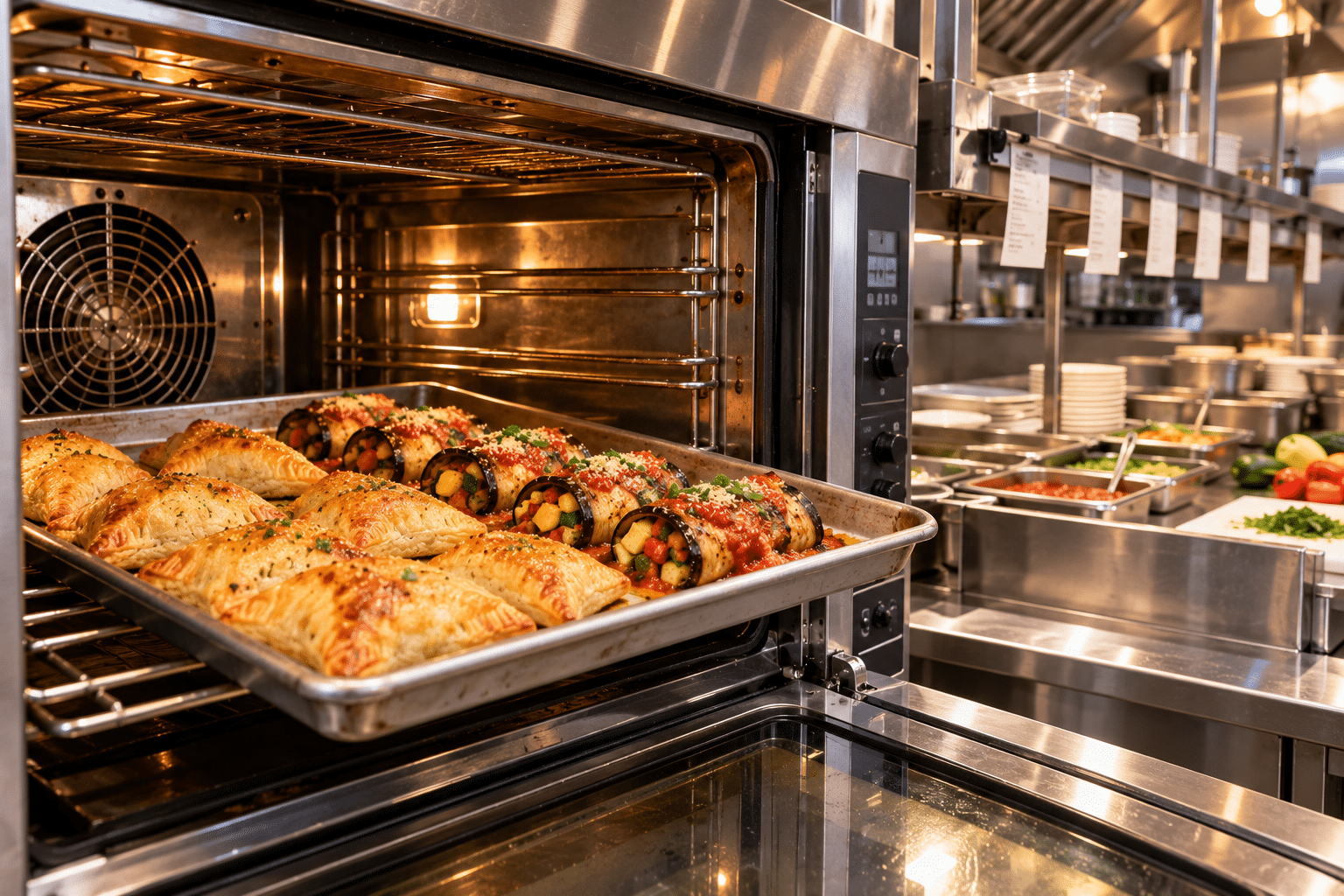
Look for proven food safety, clear vegan labels, full allergen details, and reliable cold delivery. Price matters, of course. But a cheap product that arrives thawed or mislabeled costs far more in the end.
Use this checklist:
- Food safety. Look for SQF certification, a HACCP plan, and USDA or FDA oversight.
- Vegan labels by item. Confirm each “vegan” product has no dairy, eggs, or other animal ingredients.
- Allergens. Many vegan foods contain soy or wheat, so check every label.
- Portion details. Know the weight per piece and the case count to set your food cost.
- Freezing method. Fast freezing and careful packing protect texture.
- Delivery. Ask how the product stays cold and whether they deliver.
- Custom options. Some makers will build items to your chef’s recipe.
- References. Look for reviews from hotels, caterers, and restaurants.
Why Choose Culinary Specialties for Vegan Frozen Food Wholesale?
Culinary Specialties has made appetizers and entrées for professional kitchens since 1996. Its production facility in San Marcos, California, is USDA- and FDA-approved. The company is SQF certified and follows HACCP and GMP standards. It also uses third-party audits and tests finished products for microbes.
Two items in its lineup are clearly labeled vegan:
- Vegan Eggplant Rollatini. Roasted eggplant rolled around zucchini, yellow squash, onions, tomatoes, garlic, and herbs. Each piece weighs about 3 ounces, and there are 30 pieces per case. The listed allergen is soy.
- Vegan Soyrizo and Mixed Vegetable Turnover. Soyrizo with zucchini, squash, bell peppers, and onions in hand-wrapped puff pastry. The listed allergens are wheat and soy.
The rollatini works well for banquets and plated dinners. Meanwhile, the turnover fits breakfast menus and catering trays. Its plant-based chorizo filling also matches one of the few formats that grew last year. Note that the broader vegan and vegetarian category includes some dishes with cheese, so check each item before labeling it.
Every product is quick-frozen after cooking and packed by hand to prevent freezer burn. Delivery trucks are inspected daily and temperature-checked. Culinary Specialties serves San Diego, Orange County, Los Angeles, Las Vegas, San Francisco, Arizona, Colorado, Texas, South Florida, and Hawaii. It can also ship anywhere in the United States.
Its clients include Four Seasons, Ritz-Carlton, Marriott, and Fairmont properties. In addition, an executive chef at the San Diego Zoo says the company has supplied its vegetarian and vegan entrées since 2008. The team also works directly with chefs to make items to their exact specs.
Frequently Asked Questions
What is the difference between vegan and vegetarian frozen food?
Vegan frozen food contains no animal products. That means no meat, fish, dairy, eggs, or honey. Vegetarian frozen food skips meat and fish but may include cheese, butter, or eggs. Suppliers often list both types together. So check each product’s ingredients before you call a dish vegan on your menu.
How should restaurants store frozen vegan food?
Keep frozen vegan food at 0°F or colder. Store it in sealed packaging, away from raw meat and other animal products. Use the oldest stock first. Also, avoid thawing and refreezing, since that harms texture. Finally, follow the supplier’s heating directions for the best results.
Do restaurants need a vegan menu to buy vegan frozen food wholesale?
No. Most restaurants that buy vegan frozen food wholesale serve mixed menus. One vegan entrée or appetizer lets you serve vegan guests, dairy-free diners, and anyone who wants a lighter dish. For banquets and catering, vegan items also make dietary requests easy to handle.
Do vegan frozen foods contain allergens?
Yes, many do. Vegan foods have no dairy or eggs, but they often contain soy, wheat, nuts, or sesame. For example, Culinary Specialties lists soy for its Vegan Eggplant Rollatini. It lists wheat and soy for its Vegan Soyrizo Turnover. Share allergen details with your servers so they can answer guest questions.
Can a restaurant order custom vegan dishes?
Yes, from some manufacturers. Culinary Specialties has long worked directly with chefs to create items to their exact specs. This lets you offer a signature vegan dish without making it from scratch. Contact the team to talk through your recipe, portion size, and expected volume.
How do I order vegan frozen food wholesale from Culinary Specialties?
Request a quote on the Culinary Specialties website. Just list the products you want, the quantity, and your preferred delivery date. You can also call 760-744-8220 or email info@culinaryspecialties.net. Pricing is provided by quote, and delivery is available nationwide.
Ready to Add Vegan Options to Your Menu?
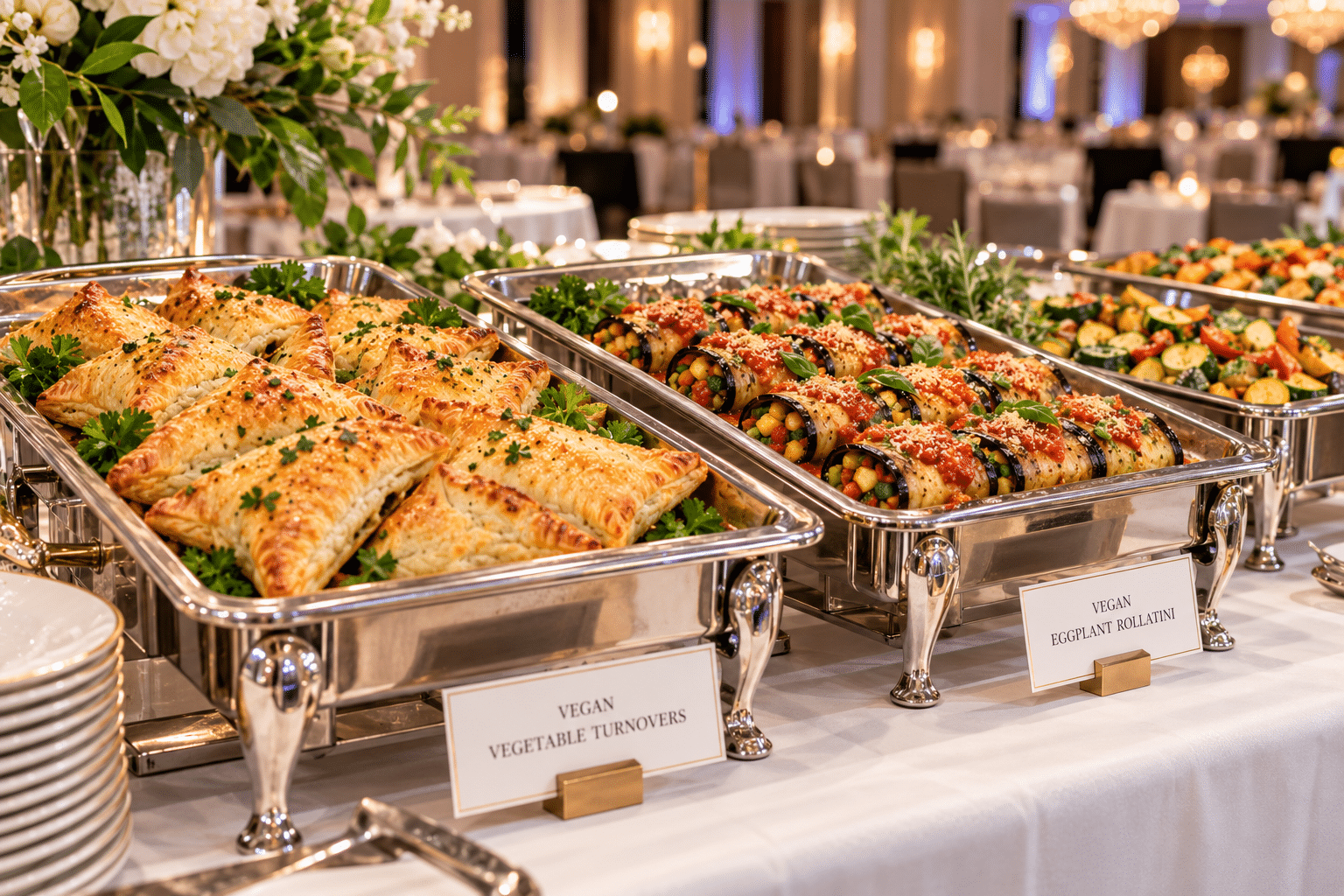
Plant-based diners are already looking for something to order. The right vegan frozen dish lets your kitchen say yes without new hires or a walk-in full of produce. Culinary Specialties offers SQF-certified production, fast freezing that protects flavor, and nationwide delivery. Its vegan frozen food wholesale lineup includes chef-ready dishes like the Eggplant Rollatini and Soyrizo Turnover. Visit culinaryspecialties.net to browse the collection, check the latest offers, and request wholesale pricing for your restaurant, hotel, or catering business.
Partner with Us for Delicious Pasta Dishes and More
Culinary Specialties is here to help you simplify the prep process while still offering top-quality food for your clients. Give us a call at (760) 744-8220, or you can request a quote online!